
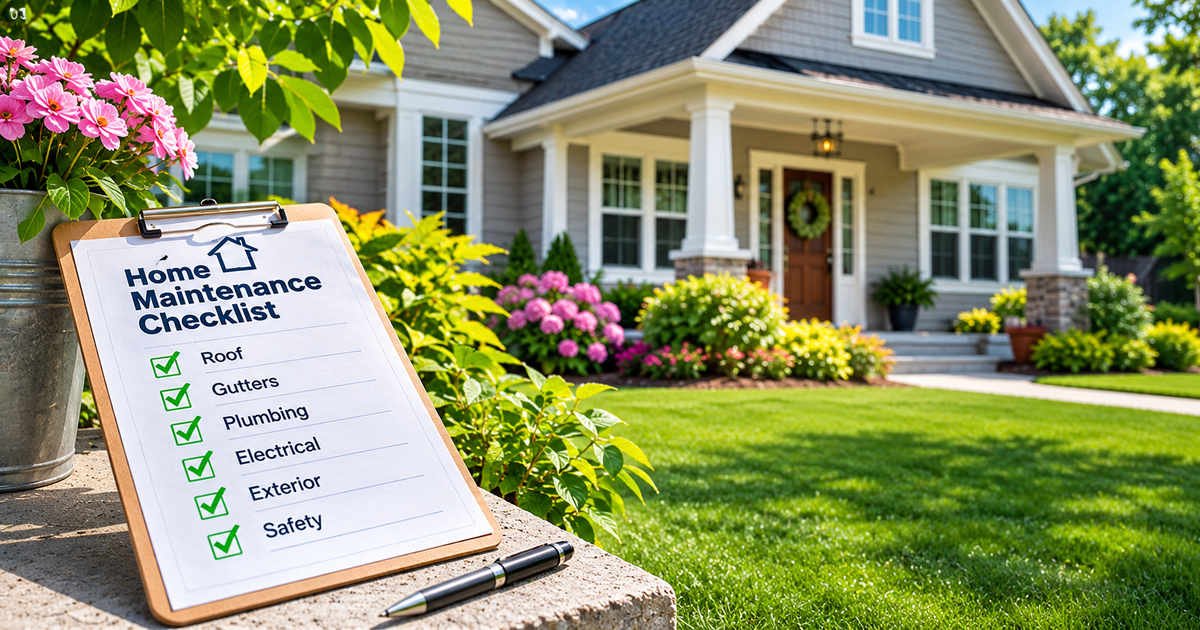
A dependable home maintenance checklist helps you catch small problems, stay organized, and know when to call a professional. Use these twenty practical checks as a starting point, then adapt the timing to your home, climate, equipment, and local safety requirements.
Quick navigation: Explore the 20 tips. · Avoid common mistakes. · Final checklist
20 essential home maintenance tasks
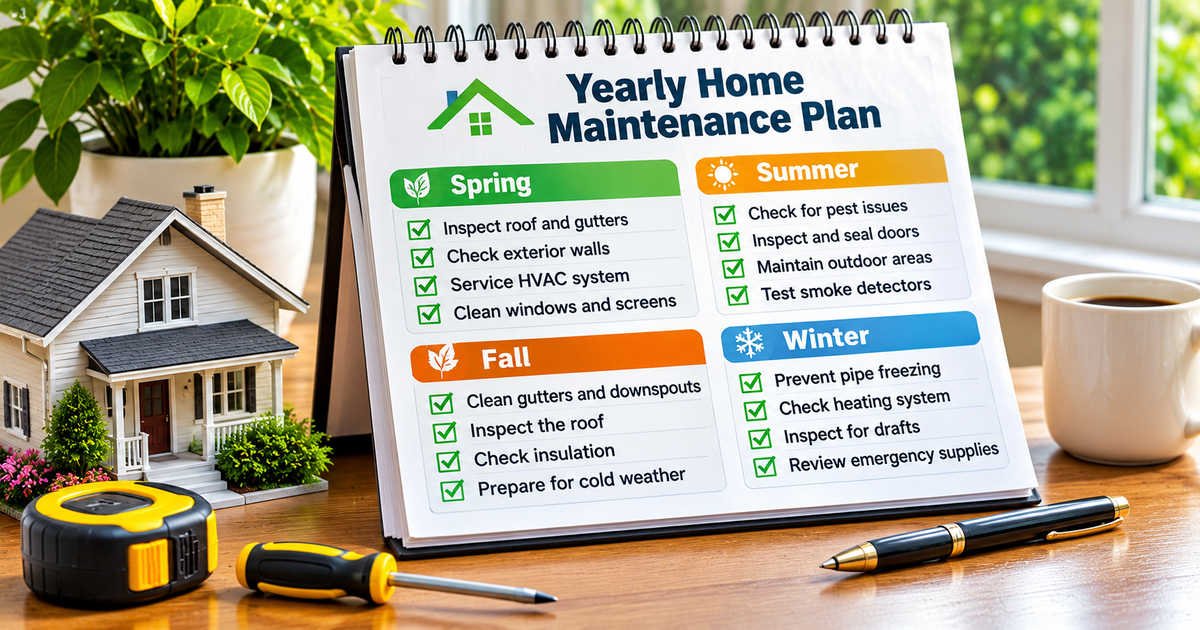
1. Plan a yearly maintenance calendar.
Start with a simple schedule for monthly, seasonal, and annual tasks. Record the date, what you inspected, and whether follow-up is needed. A recurring calendar helps you notice neglected items before they turn into expensive surprises. Include appliance manuals and warranty dates so you can follow manufacturer guidance rather than relying on guesswork.
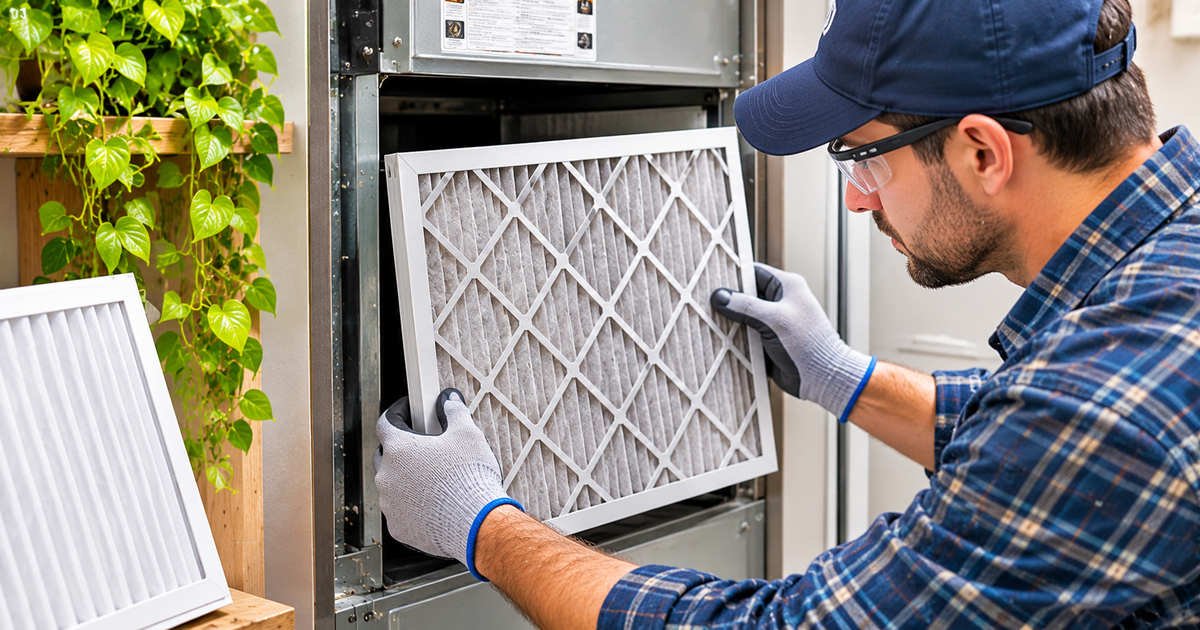
2. Replace or clean HVAC filters.
Check your heating and cooling filter on the interval recommended by the equipment maker. Dust, pets, renovations, and heavy system use can require more frequent attention. Turn off the system when appropriate, verify the filter size and airflow direction, and avoid forcing a filter into the slot. A clean filter supports airflow and indoor comfort.
3. Inspect the roof from the ground.
Look for missing shingles, damaged flashing, sagging sections, or debris after severe weather. Use binoculars from a safe location rather than climbing onto a steep roof. Photograph visible changes and contact a qualified roofer if you notice damage or persistent ceiling stains. Early assessment can reduce the risk of water entering the building.

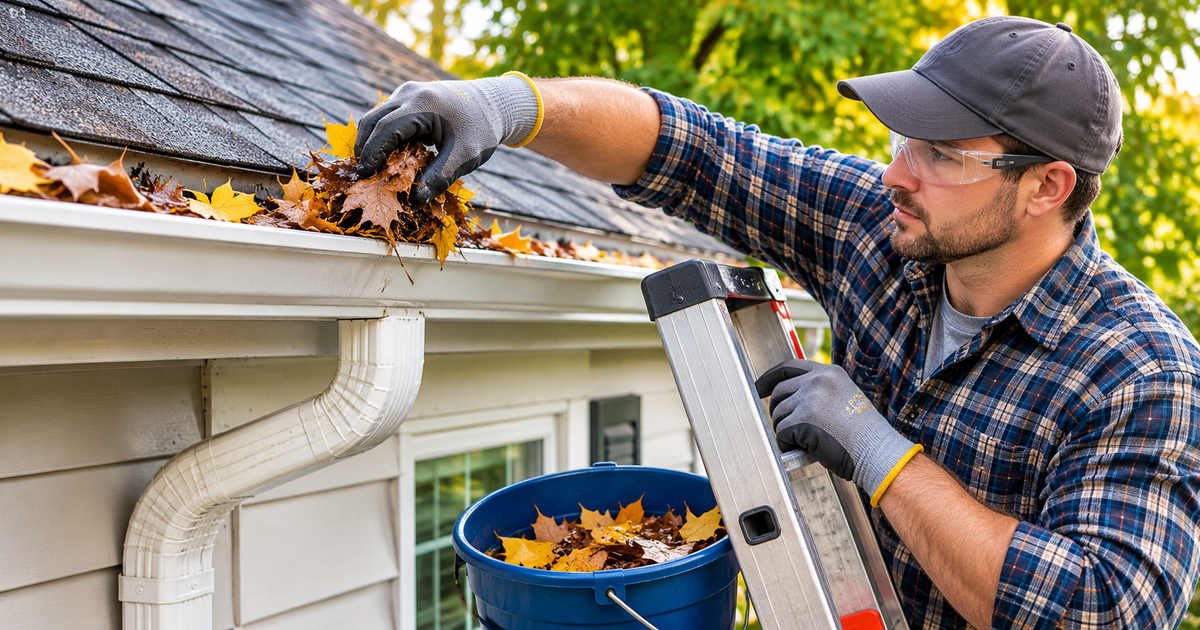
4. Clear gutters and downspouts
Leaves and debris can block drainage and direct rainwater toward walls and foundations. Inspect gutter flow during rain when it is safe to do so. For elevated gutters, use a qualified service rather than risking a fall. Make sure downspouts carry water away from the house according to local drainage requirements and avoid directing runoff onto neighbors.
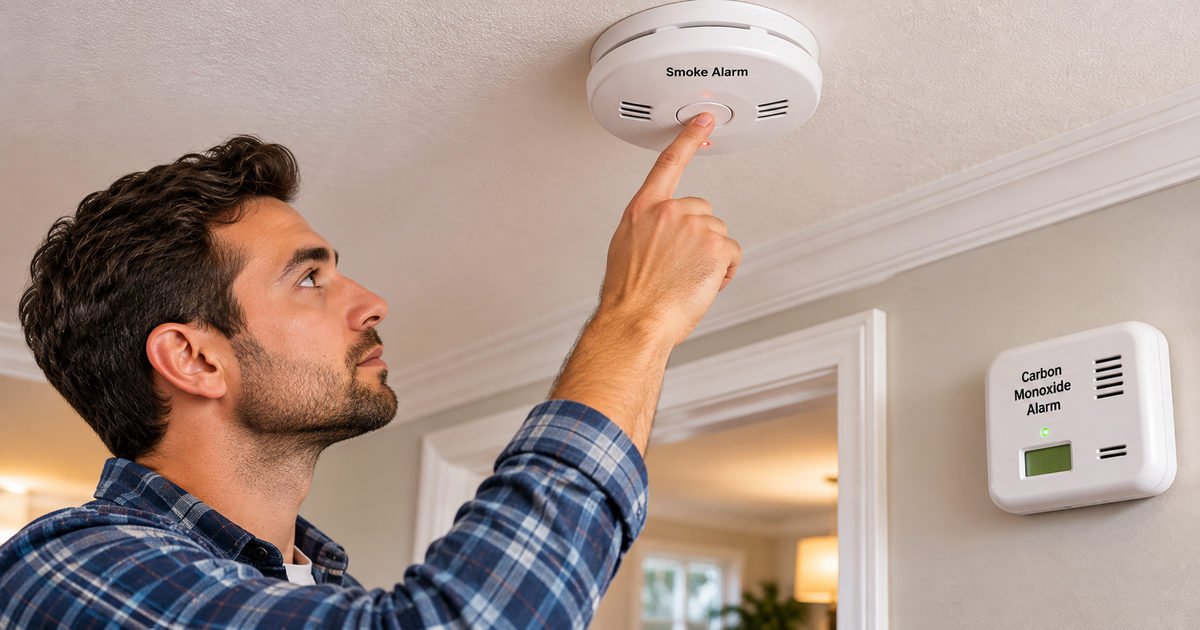
5. Test smoke and carbon monoxide alarms
Follow the alarm manufacturer’s testing schedule and replacement guidance. Check that alarms are installed in appropriate locations under local safety rules, and replace depleted batteries when required. Never disconnect an alarm to stop nuisance sounds without addressing the cause. If an alarm indicates a possible emergency, leave the building and contact emergency services.
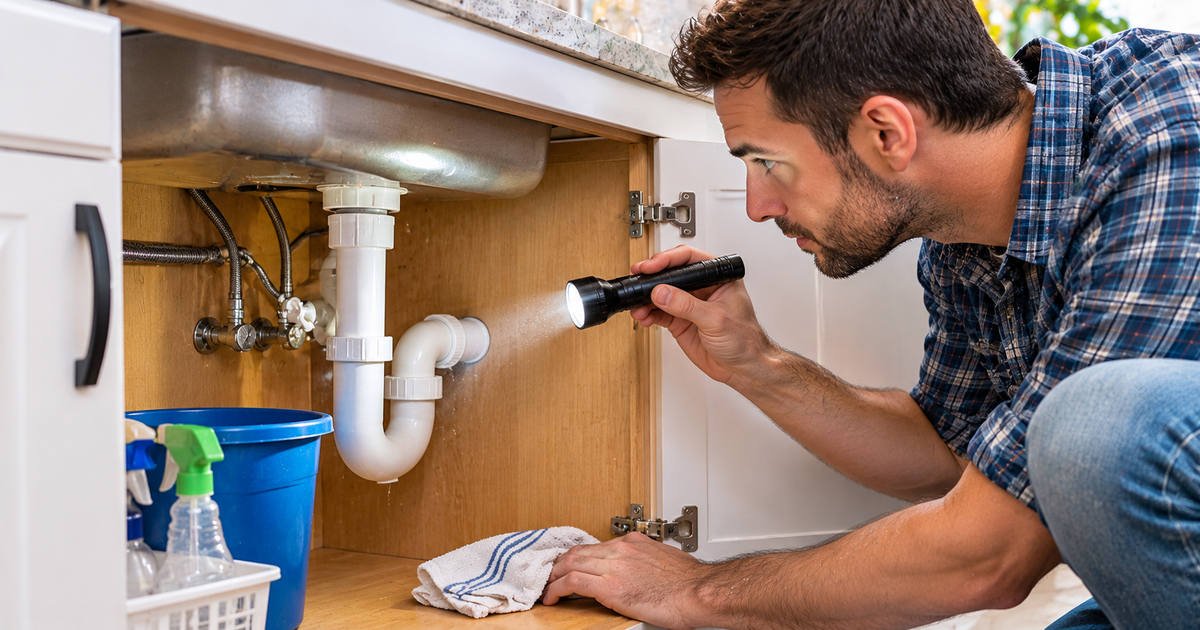
6. Check under sinks for leaks.
Open the cabinet beneath the kitchen and bathroom sinks and look for dampness, swollen boards, staining, or musty odors. Run the tap briefly while observing accessible connections without disturbing them. A small drip can damage cabinetry over time. If the leak involves hidden pipes or cannot be safely isolated, arrange a plumber’s inspection promptly.
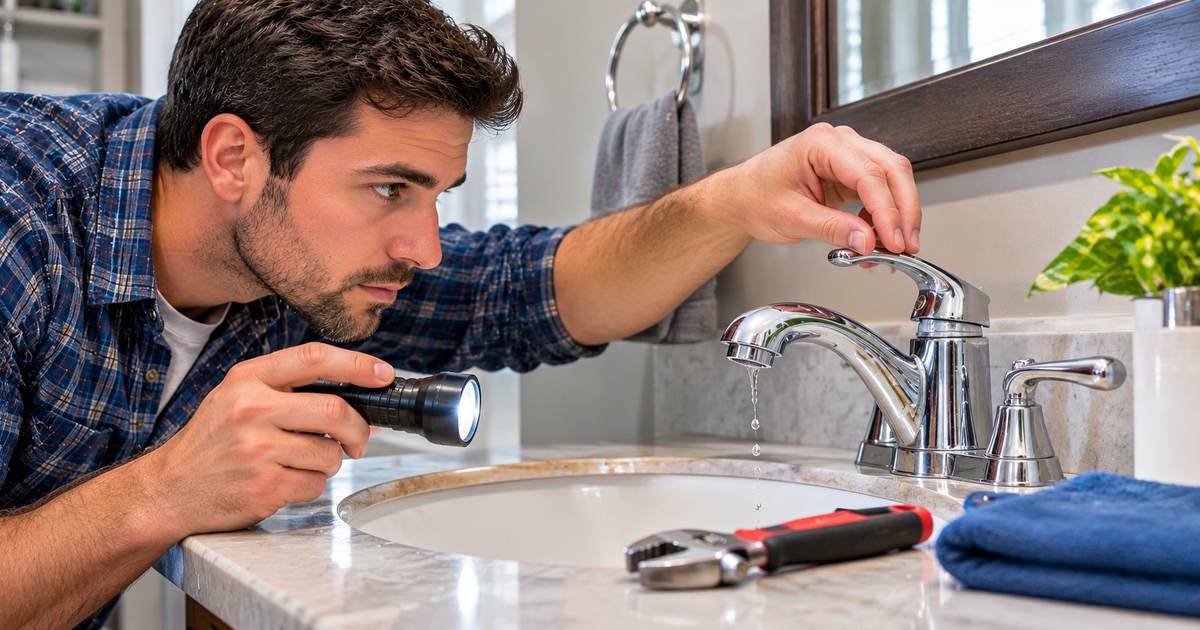
7. Inspect faucets and fixtures.
Check faucets, showerheads, and visible supply connections for drips and loose fittings. Clean mineral buildup using a product suitable for the fixture’s finish. Avoid overtightening connections, which can damage seals or threads. If water pressure changes suddenly or a leak continues after simple maintenance, seek professional help before the issue becomes more serious.
8. Examine windows and seals.
Inspect window frames for gaps, peeling sealant, trapped moisture, and difficult operation. Clean tracks so drainage paths remain open, and look for signs of condensation between glass panes. Suitable weatherstripping can reduce drafts, but persistent water intrusion may indicate a larger installation issue. Repair damaged glass or unsafe windows through an appropriate specialist.

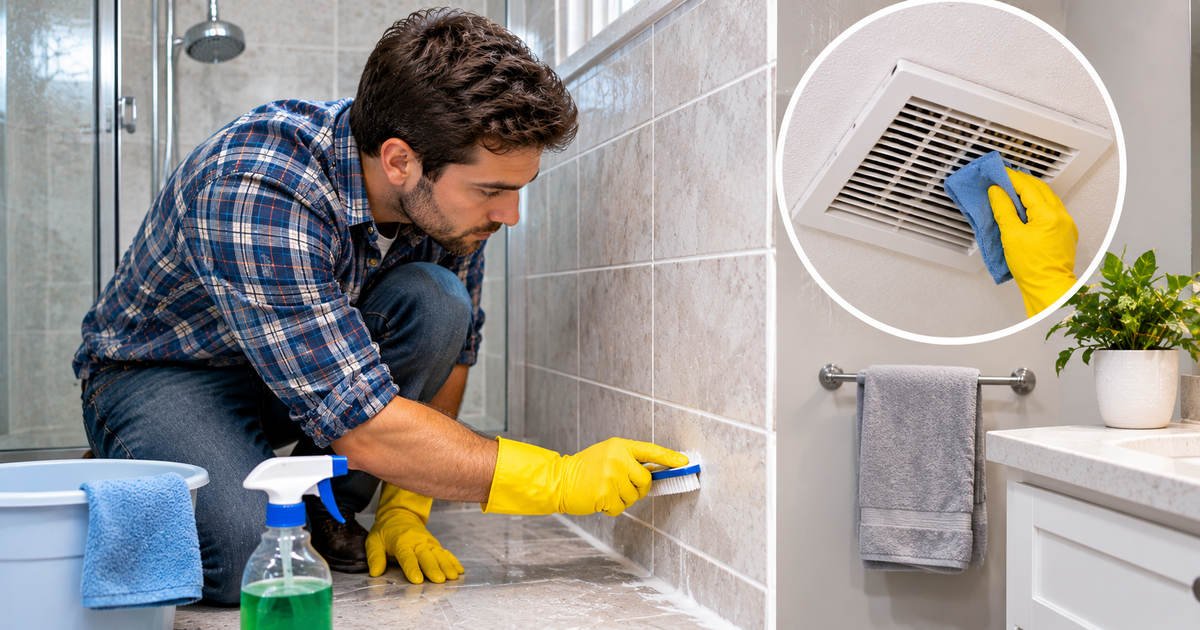
9. Clean bathroom grout and ventilation
Regularly wipe moisture-prone surfaces, remove soap residue, and keep exhaust fans operating as intended. Use cleaning products according to their labels and never mix bleach with ammonia or acids. Discolored grout can be cosmetic, but persistent mold or damp walls may signal a ventilation or leak problem that needs investigation beyond surface cleaning.
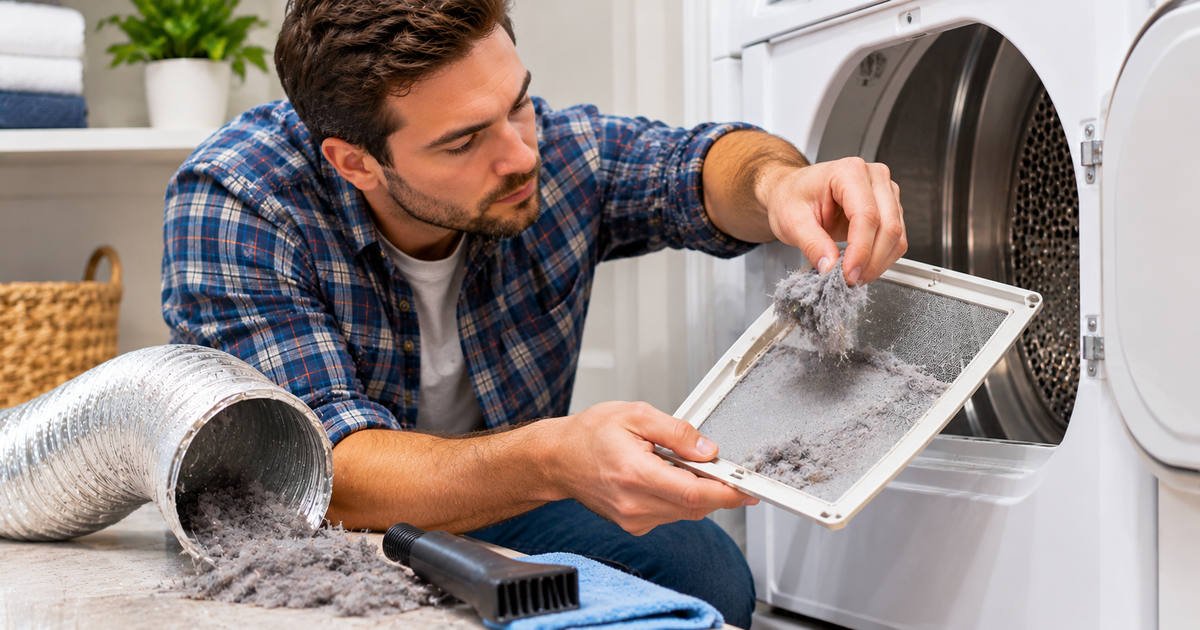
10. Remove lint from the dryer system
Clean the lint screen after each load and inspect the accessible vent system on the appliance manufacturer’s schedule. Reduced airflow and unusually long drying times can signal a blockage. Disconnect power before permitted maintenance and avoid reaching into inaccessible machinery. Have a qualified technician address long, concealed, or difficult-to-access ducts.
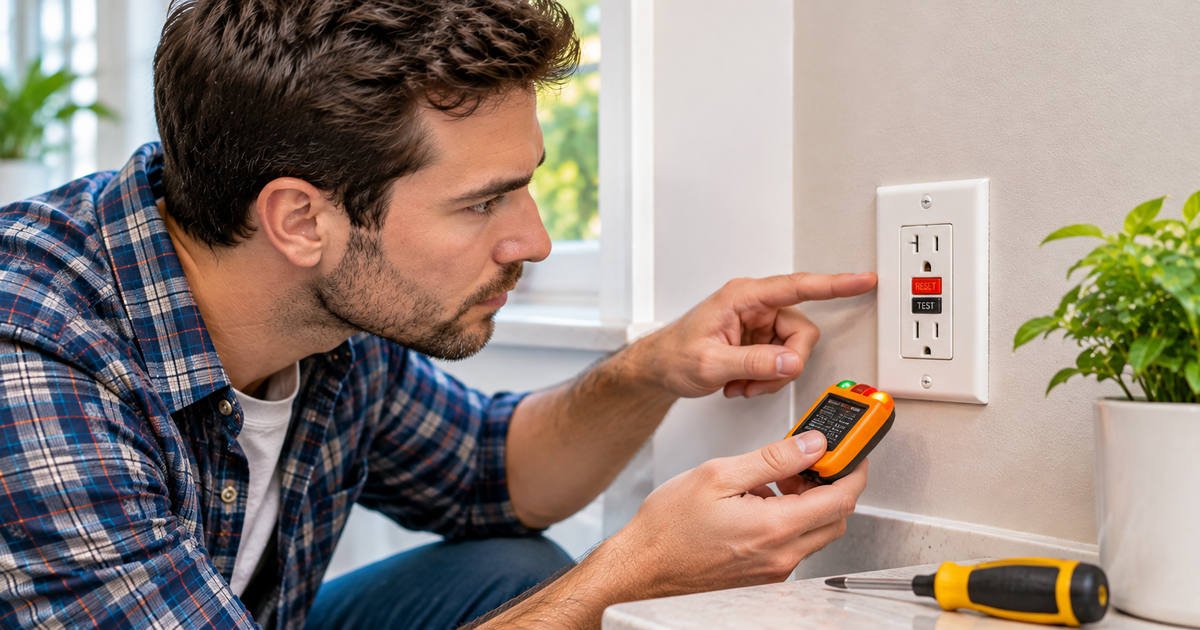
11. Review outlets and electrical safety.
Look for damaged covers, loose plugs, unusual heat, buzzing, or discoloration without removing outlet plates. Do not overload extension cords or use them as permanent wiring. If you notice sparks, burning smells, or repeated breaker trips, stop using the affected circuit and contact a licensed electrician. Electrical repairs are not suitable for casual experimentation.
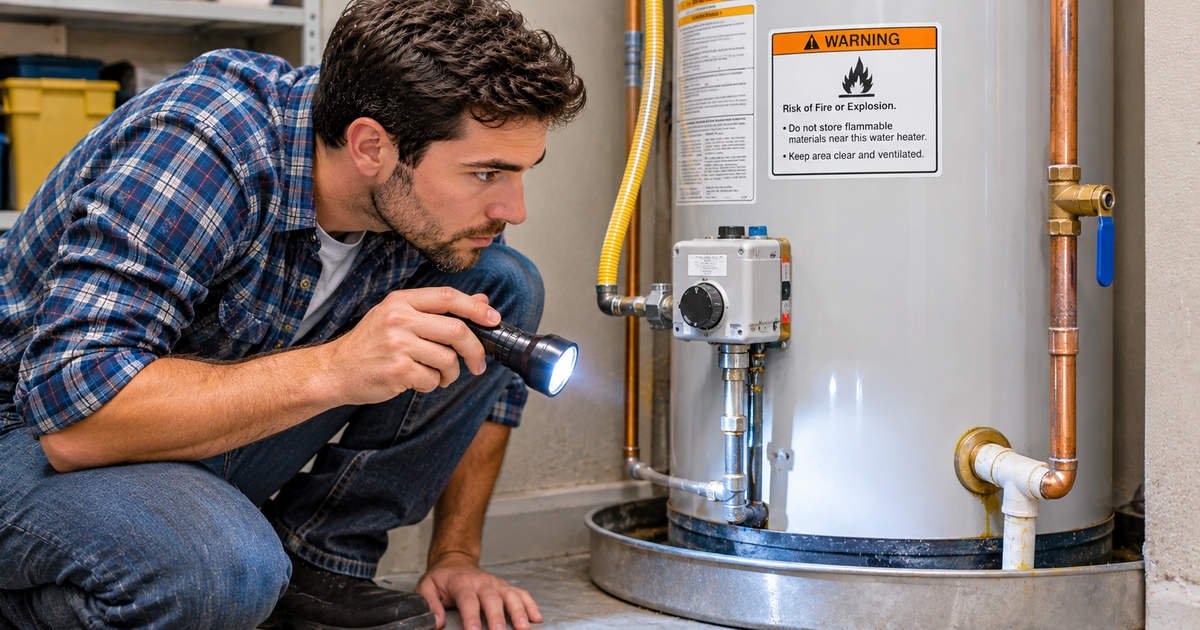
12. Check the water heater area.
Inspect the surrounding floor for leaks, corrosion, and unusual sounds. Keep required clearance around the unit and follow its maintenance manual. Water temperature settings, pressure-relief devices, and gas connections can create safety risks when adjusted incorrectly. Ask a qualified technician to service components beyond simple visual inspection, especially if you notice rust or water pooling.
13. Inspect door weatherstripping.
Close exterior doors and look for daylight around the edges, drafts, or worn seals. Clean the threshold and confirm the door latches securely. Replace simple weatherstripping with a compatible product if the frame is sound. If the door is warped, sticks severely, or shows water damage, investigate the underlying alignment or moisture issue first.

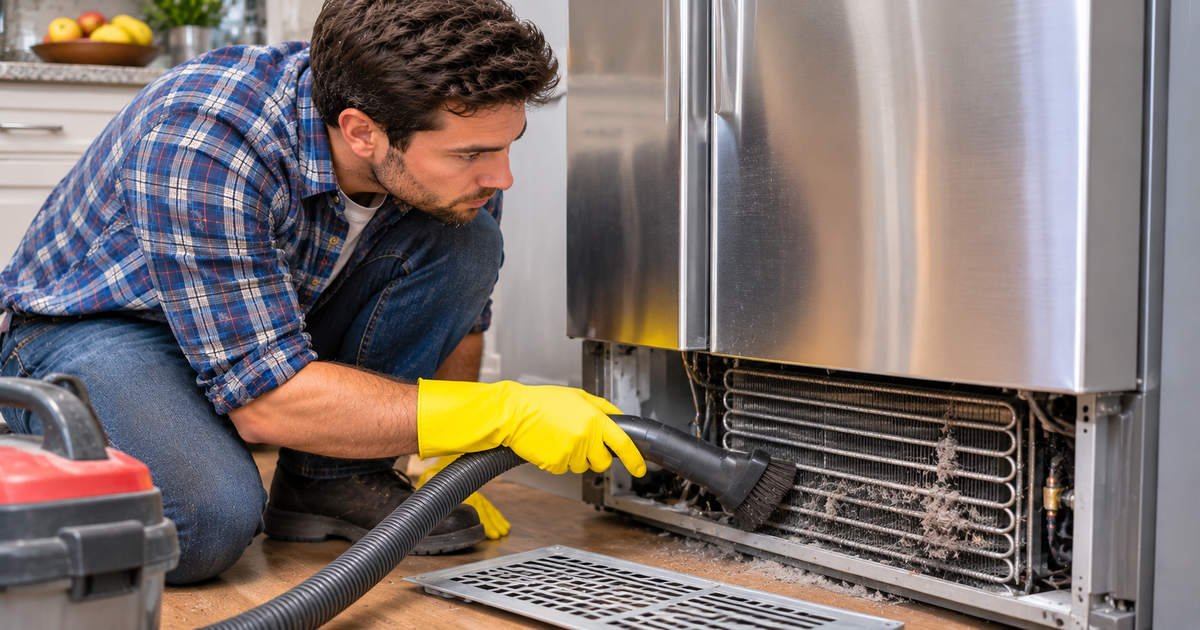
14. Keep refrigerator coils and vents clear.
Dust buildup around accessible refrigerator ventilation areas may reduce efficiency. Check the appliance manual before moving it or cleaning coils, and disconnect power when instructed. Use a soft brush or vacuum attachment only where permitted. Maintain the recommended space around the unit so heat can dissipate, and avoid damaging refrigerant tubing or electrical components.
15. Trim plants away from the house
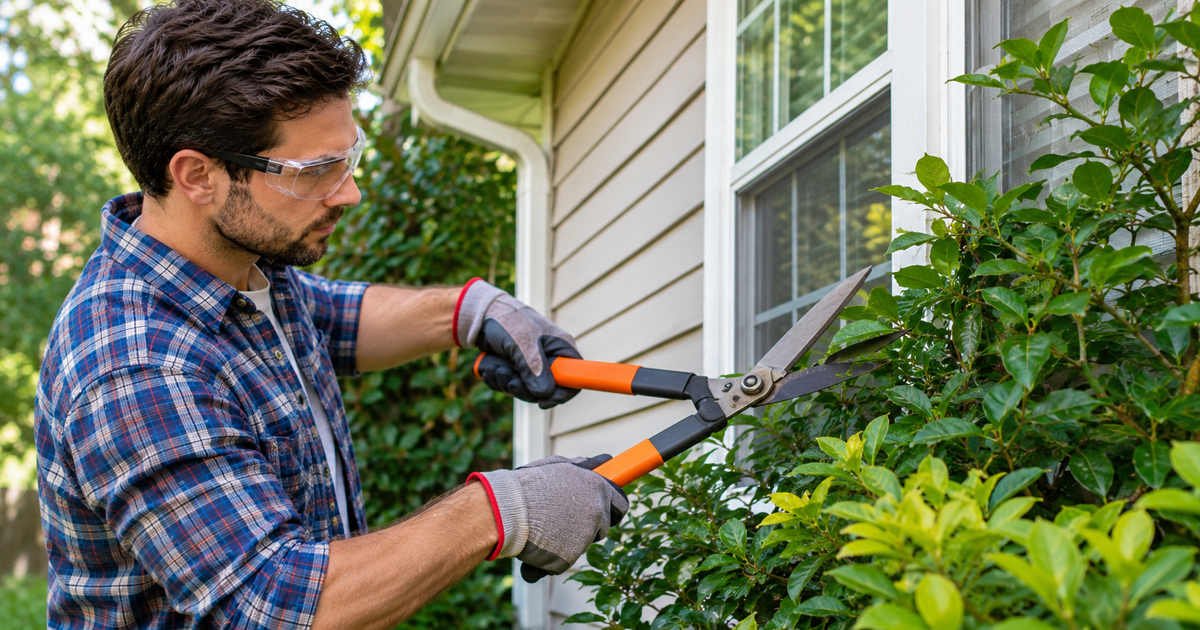
Shrubs and vines that press against siding can trap moisture and obscure cracks or pests. Prune with clean tools, keep access to vents and utility equipment clear, and avoid damaging healthy trees. Large branches near electrical lines or roofs require trained professionals. Thoughtful spacing also improves airflow and makes future inspections easier.
16. Watch for foundation and drainage changes.
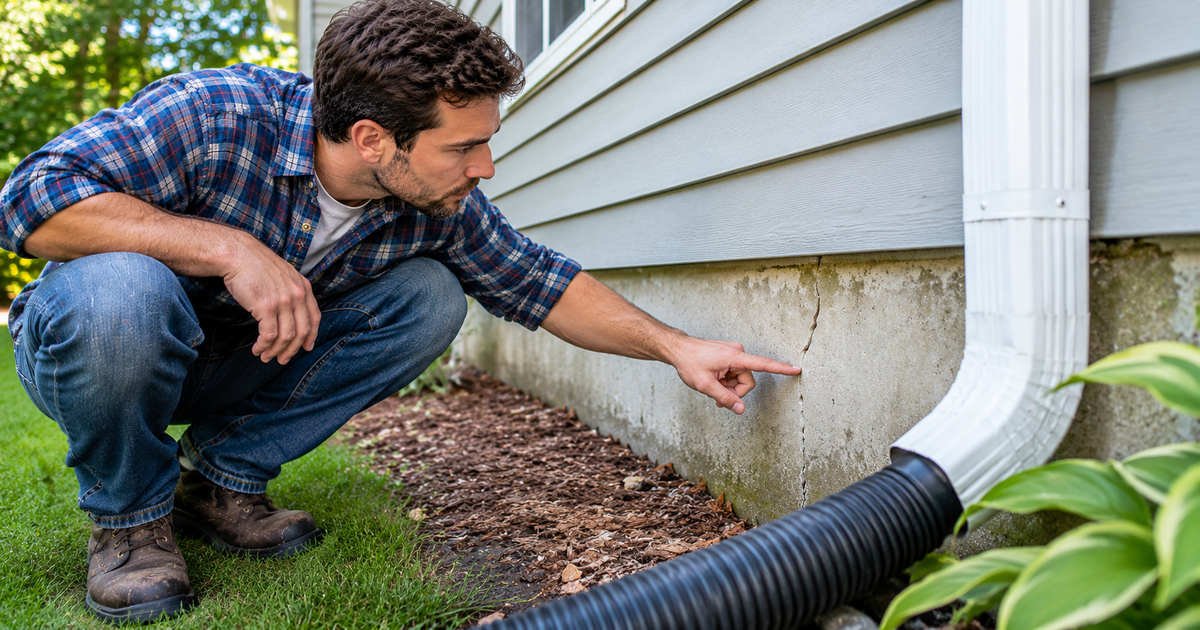
Check visible foundation surfaces and nearby ground for new cracks, erosion, or standing water. Record the size and location of changes with dated photos. Not every hairline crack indicates structural trouble, but widening cracks, sticking doors, or uneven floors warrant professional evaluation. Address poor surface drainage using locally appropriate methods.
17. Inspect attic and insulation safely.
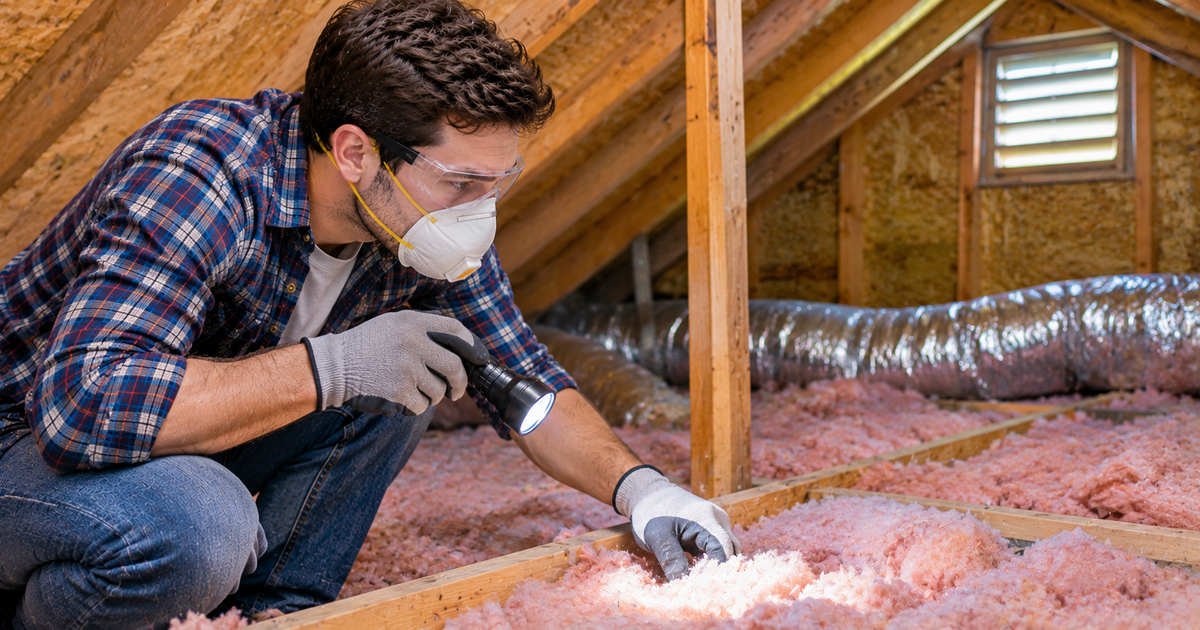
Look from a safe access point for water staining, pest activity, and visibly displaced insulation. Avoid stepping between joists or disturbing unknown materials. Older homes may contain hazardous insulation or wiring conditions that require specialized assessment. Adequate ventilation and insulation depend on climate, building design, and local codes, so seek expert advice before major changes.
18. Organize tools and household supplies.
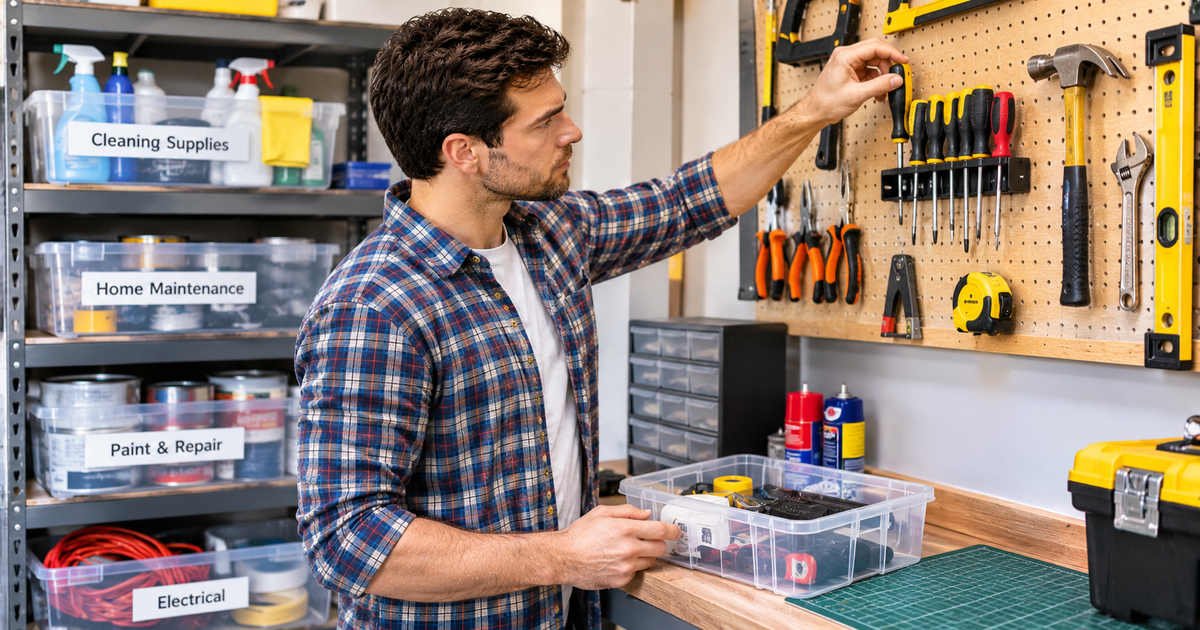
Store sharp tools, chemicals, ladders, and batteries in secure, dry places away from children and pets. Keep products in their original labeled containers and separate incompatible chemicals. A basic inventory prevents duplicate purchases and helps you find supplies quickly. Discard expired products according to local disposal instructions rather than pouring them down drains.
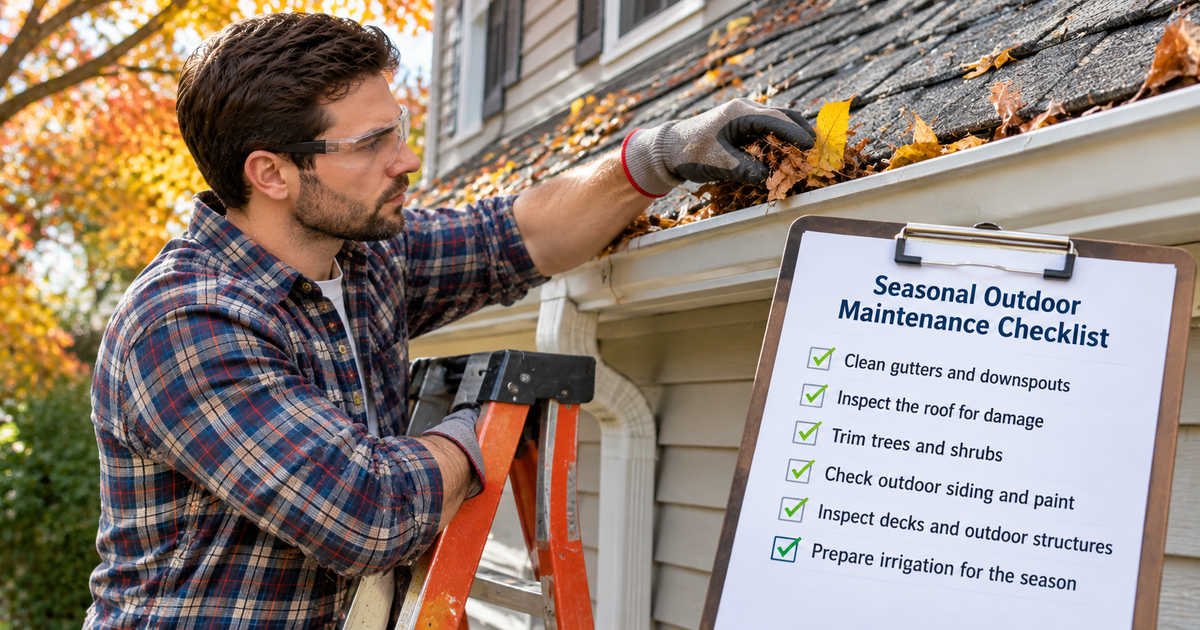
19. Review seasonal outdoor tasks.
Before wet, hot, cold, or windy weather, inspect outdoor lighting, walkways, drainage, and loose objects. Adjust garden watering to the season and check for slippery surfaces or tripping hazards. In freezing climates, follow local advice for protecting exposed plumbing. A short seasonal walkthrough helps prioritize the work that matters most in your region.
20. Keep a maintenance record and budget
Save receipts, inspection notes, service dates, and photos in one folder. Set aside a realistic maintenance reserve based on the age and condition of your home, recognizing that repair costs vary widely. Review your checklist each quarter and identify tasks that need a professional. Consistent documentation makes future decisions and conversations with contractors easier.

How to prioritize maintenance without overspending
Not every task on a maintenance list is equally urgent. First address immediate safety hazards, active water leaks, and conditions that threaten the building structure. Next consider equipment that is due for routine service, such as heating and cooling systems. Cosmetic improvements can usually wait until essential repairs are under control. When comparing contractors, request a clear written scope of work, ask about licensing and insurance where relevant, and keep copies of estimates. Avoid choosing a provider based only on the lowest price when the work involves important safety systems.
Homeowners should also distinguish visual checks from technical inspections. You can often notice a damp patch, loose handrail, or clogged drain without dismantling anything. Diagnosing wiring, gas appliances, structural movement, or concealed moisture requires appropriate training and tools. If you rent, report maintenance issues through the correct property-management process rather than making unauthorized repairs. This guide is meant to help you recognize what needs attention, not encourage risky do-it-yourself work.
Finally, review your checklist after storms, renovations, or equipment failures. A home changes with age and use, so a useful maintenance plan should change with it. Keep records of recurring problems and check whether earlier repairs solved the underlying cause.
Common home maintenance mistakes
Skipping safety checks, ignoring early signs of moisture, and attempting unfamiliar electrical or structural repairs can increase risk and cost. Keep a written schedule, use equipment manuals, and hire licensed specialists for work beyond your training. A checklist is a reminder, not a substitute for a professional inspection.
Your seasonal maintenance plan
Walk through the home each season, review alarms and visible leaks, check drainage, and update your repair records. Prioritize urgent hazards first, then plan routine cleaning and upkeep around your time and budget. For additional context, explore our home care guides and home improvement estimation guides. If a repair means replacing flooring or ordering materials, the free Room Area Calculator helps you measure the space and plan a waste allowance.
Editorial note: This guide is general educational information. Follow local codes, equipment instructions, and qualified professional advice for hazardous or specialized work.
Free planning calculators
Estimate materials and quantities before you buy, with clear assumptions you can adjust.
 Room Area Calculator
 Fertilizer Calculator
 All calculators
Was this article helpful?
Not rated yet