
Starting a home garden is easier when you begin with a small, realistic plan. These twenty beginner gardening tips cover soil, watering, plant selection, containers, seasonal care, and common mistakes. Adapt every recommendation to your local climate and the needs of the plants you grow.
Quick navigation: Explore the 20 tips. · Avoid common mistakes. · Final checklist
20 practical beginner gardening tips
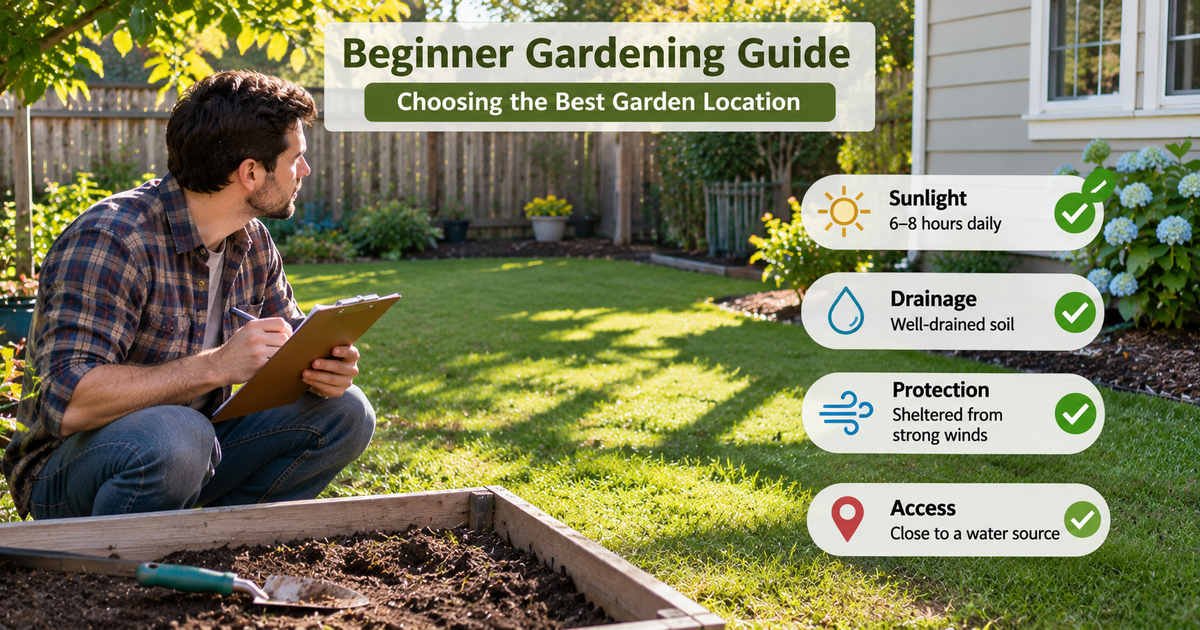
1. Choose a sunny, practical garden location.
Watch how sunlight moves across your space over a full day before choosing a garden site. Most fruiting vegetables grow best with generous direct sunlight, while leafy greens and some herbs can tolerate partial shade. Pick a location that is convenient to reach for watering, weeding, and harvesting.
On patios or balconies, check wind exposure, drainage, and building weight limits before installing heavy planters.
2. Test and improve your garden soil.
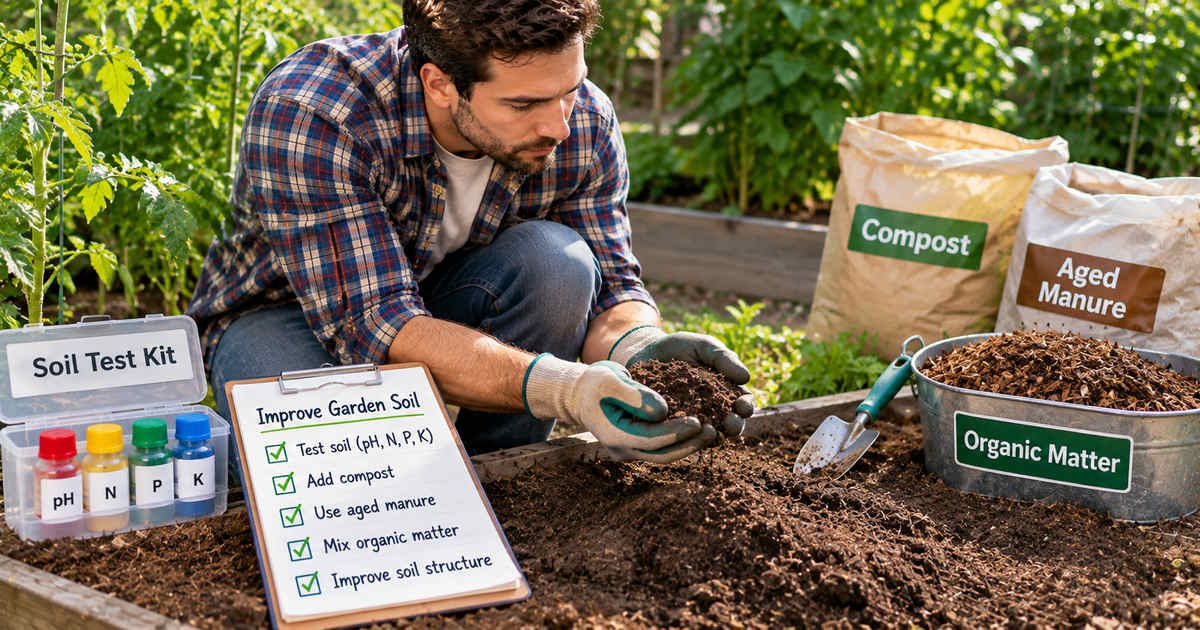
Healthy gardens start with soil that supports roots, drains adequately, and holds useful moisture. Check the texture and drainage of your soil and consider a basic soil test for pH and nutrients. Add mature compost when appropriate rather than assuming every problem calls for fertilizer.
Avoid working soil while it is waterlogged; doing so can compact it and make root growth harder.
3. Gather a few essential gardening tools.
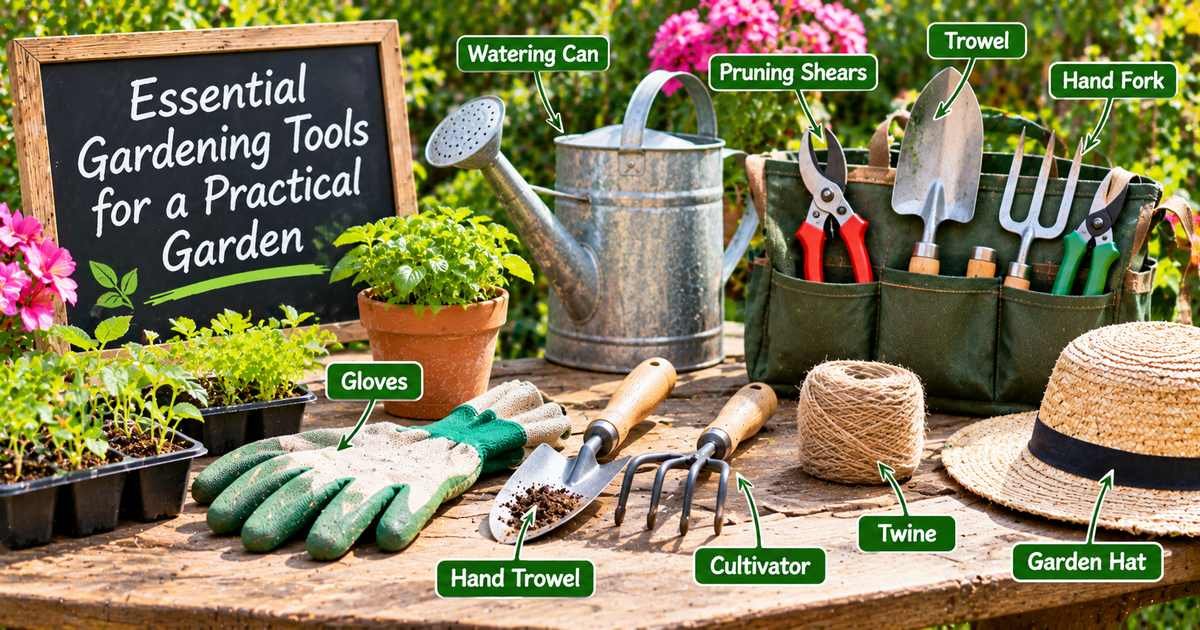
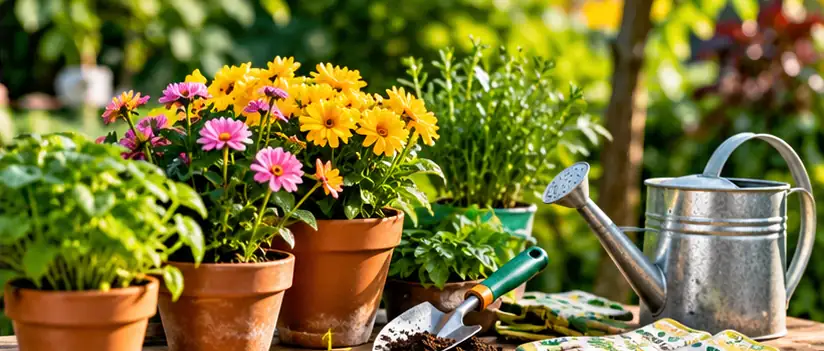
A hand trowel, gloves, watering can or hose nozzle, and a clean pair of pruning shears cover many beginner tasks. Choose comfortable tools appropriate for your garden size instead of buying a large collection at once.
Clean tools after use, dry metal parts, and store sharp items securely to help prevent rust and injuries.
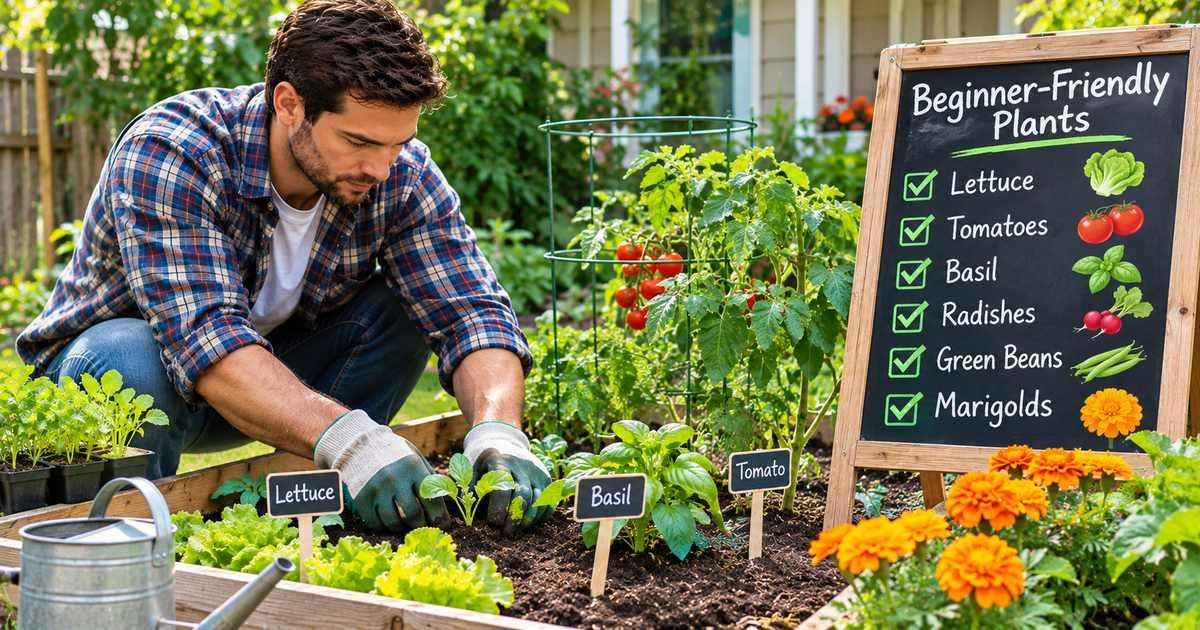
4. Choose beginner-friendly plants.
Start with a few plants suited to your region, available sunlight, and growing season. Depending on local conditions, herbs, leafy vegetables, beans, or hardy annual flowers can offer useful early experience.
Read plant labels or locally relevant growing guides for mature size, water needs, and temperature tolerance. Fewer healthy plants are more rewarding than too many struggling ones.
5. Start with a small garden bed.
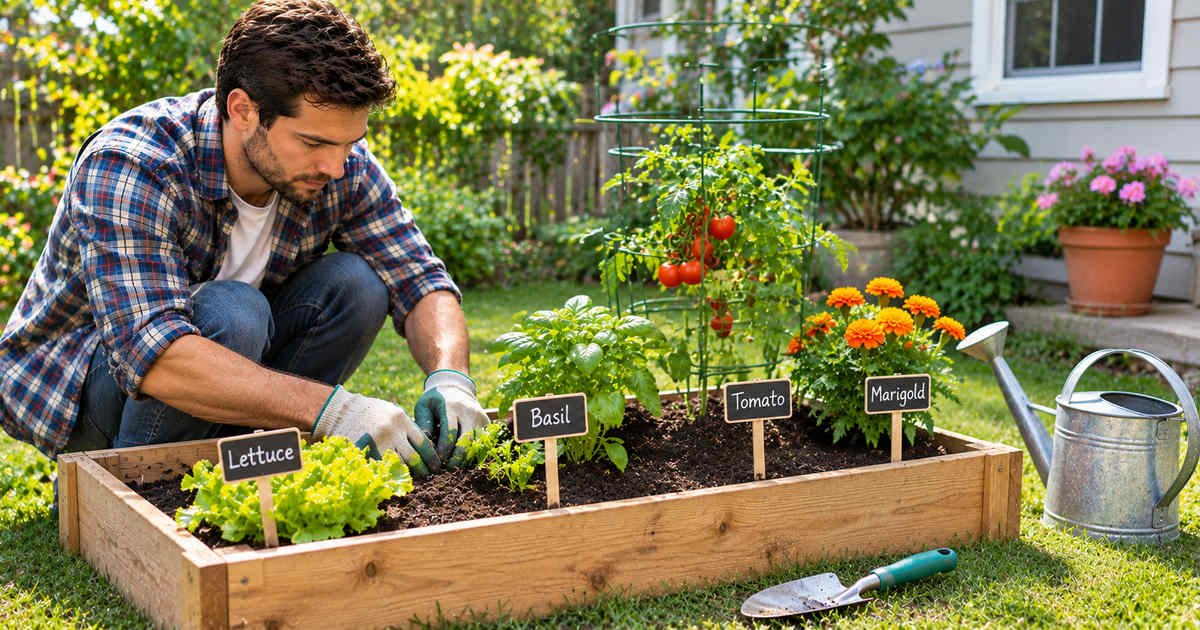
A modest, manageable bed makes it easier to learn soil care, watering, and pest checks. Choose an area you can reach without stepping on planted soil. If you use a raised bed, make sure the structure drains freely and the materials are suitable for gardening.
Begin with a limited planting area and expand only after you know how much weekly maintenance it requires.
6. Learn proper plant spacing.
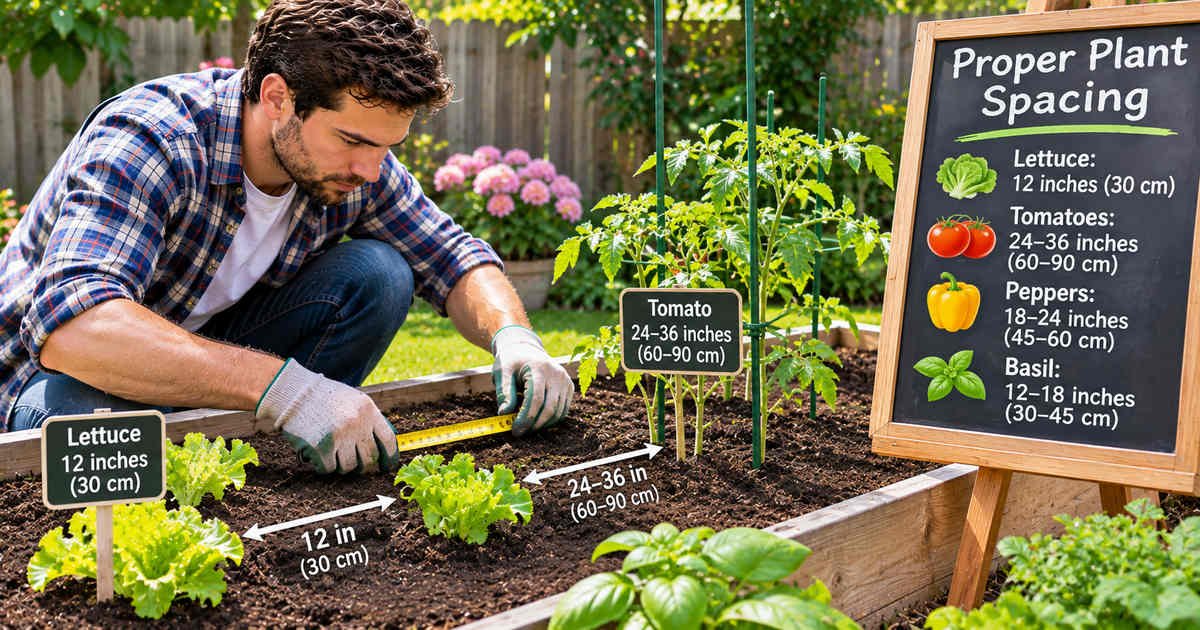
Seed packets and plant labels give spacing guidance based on mature plant size. Follow those recommendations to reduce overcrowding, improve airflow, and make watering and harvesting easier.
Thin seedlings carefully when needed, and remember that small transplants can become much wider by midsummer.
7. Water plants correctly.
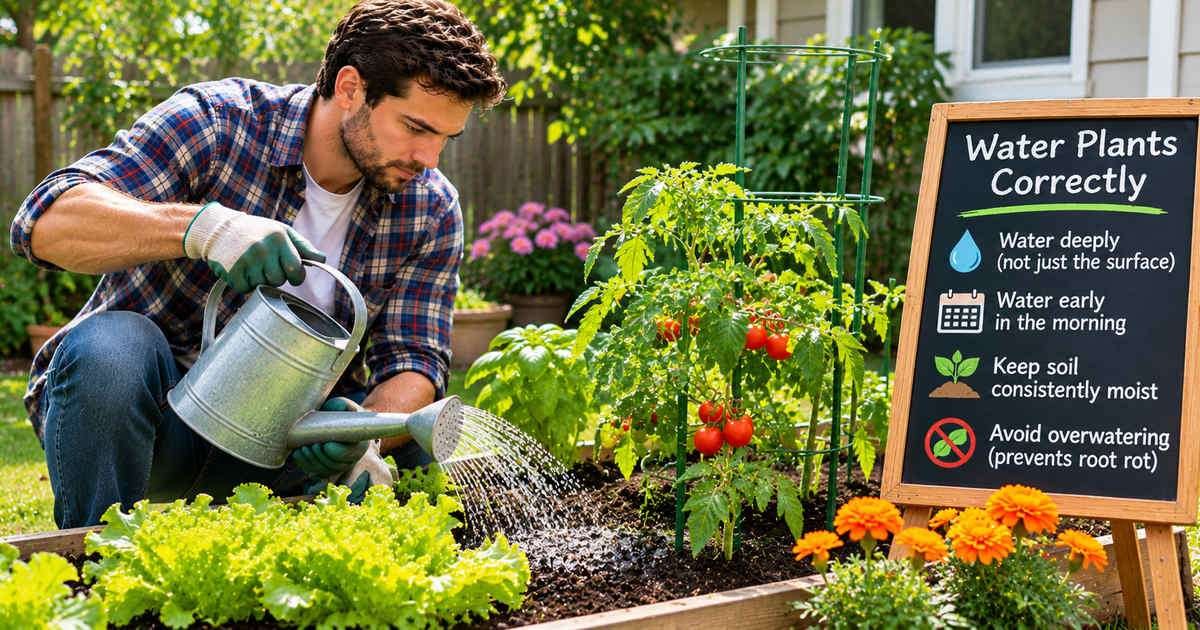
Check moisture below the soil surface before watering rather than following a rigid daily schedule. Water near the roots when possible, allowing moisture to reach the active root zone without leaving the soil persistently soggy.
Containers can dry out faster than garden beds, particularly during hot or windy weather. Adjust watering to rainfall, temperature, soil type, and each plant’s needs.
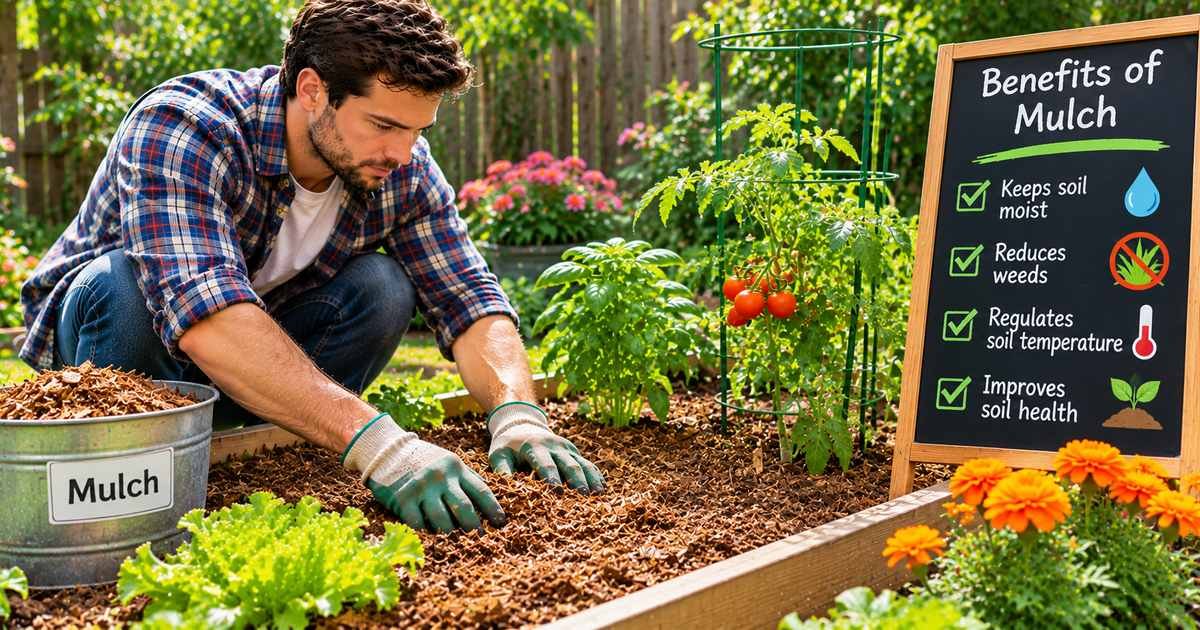
8. Add mulch to garden beds.
Apply an appropriate layer of clean organic mulch to reduce evaporation, soften temperature swings, and limit many weeds. Mulch also helps protect exposed soil from heavy rain.
Keep mulch a little away from stems, crowns, and tree trunks, and avoid piling it so thickly that air and water cannot reach the soil.
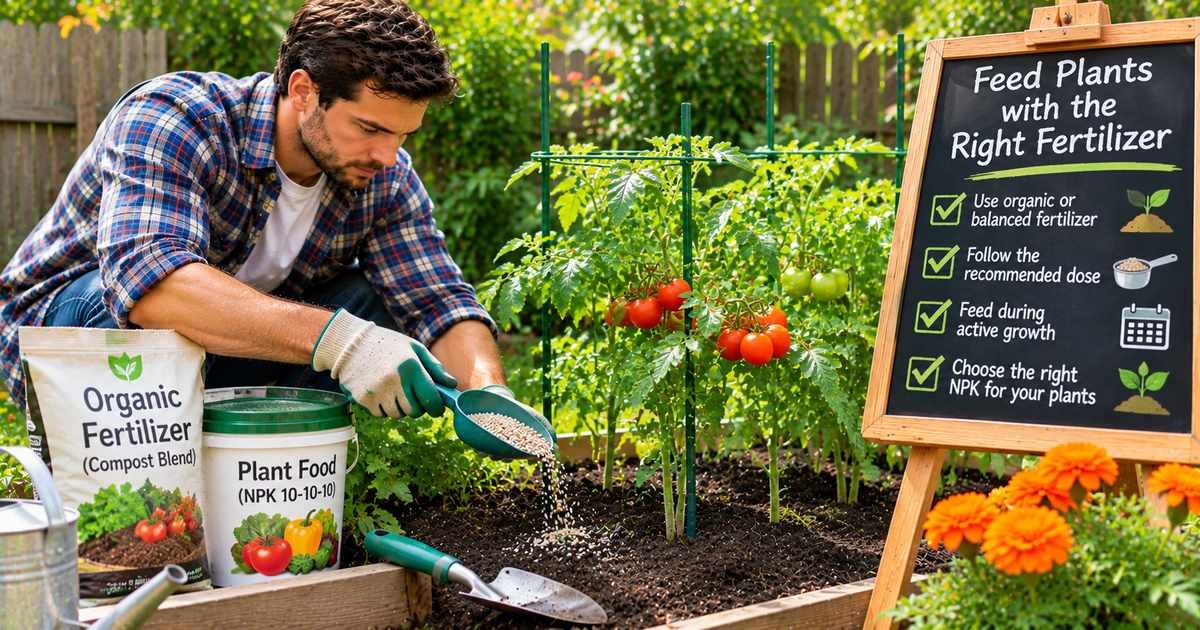
9. Feed plants with the right fertilizer.
Plants need balanced nutrition, but fertilizer is not always necessary. A soil test, plant growth patterns, and the needs of the specific crop help determine whether extra nutrients are useful.
Follow the product label and measure carefully. Overfertilizing can damage roots and contribute to nutrient runoff.
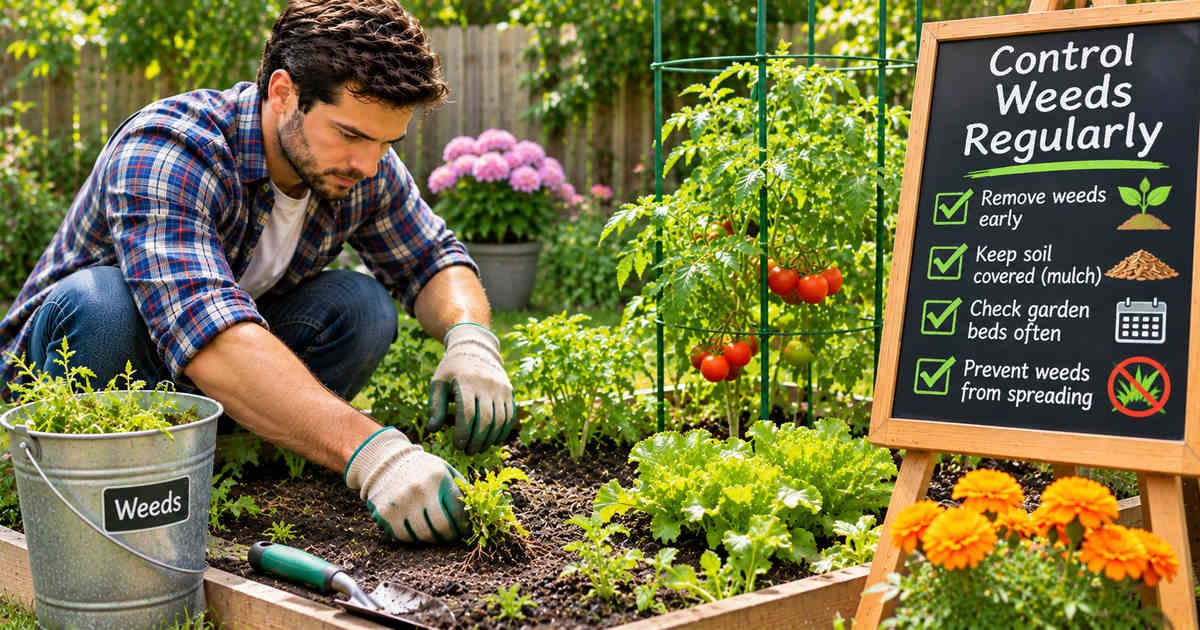
10. Control weeds regularly.
Remove small weeds before their roots spread and they set seed. A few minutes of hand weeding each week can prevent a difficult cleanup later in the season.
Pull weeds after light rain when the soil is easier to work, and use mulch where practical to suppress new growth. Identify unknown plants before handling them.
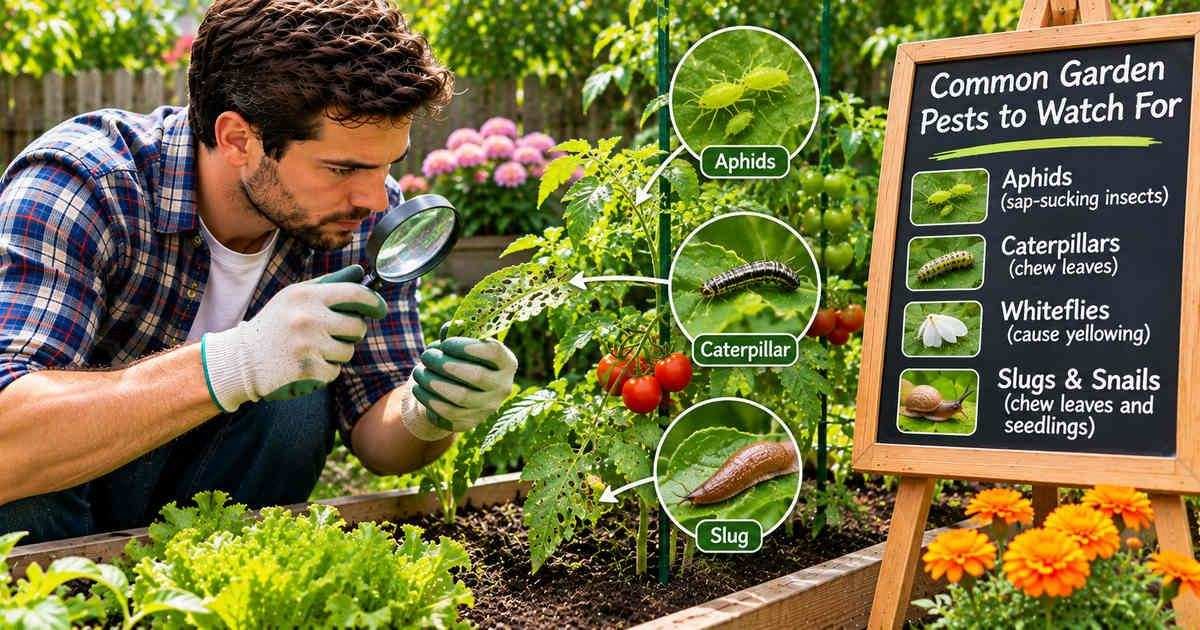
11. Identify common garden pests early.
Inspect the tops and undersides of leaves, tender shoots, and stems during regular garden checks. Look for chewing damage, discoloration, insects, or eggs, and identify the cause before acting.
Not every insect is harmful. When treatment is needed, start with targeted, low-impact methods appropriate for the identified pest and follow product directions.
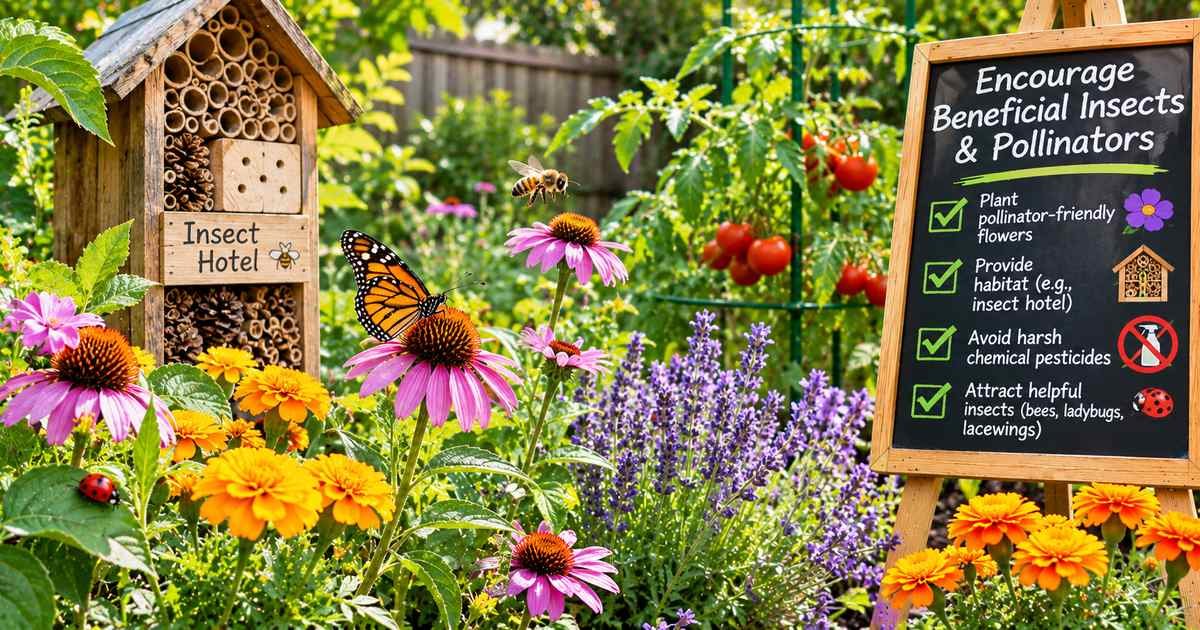
12. Encourage beneficial insects and pollinators.
Grow a variety of locally suitable flowering plants to offer nectar, pollen, and shelter across the growing season. Beneficial insects can help pollinate crops and control some garden pests.
Avoid unnecessary broad-spectrum insecticides, especially on flowering plants. Choose noninvasive species and provide clean water safely where feasible.
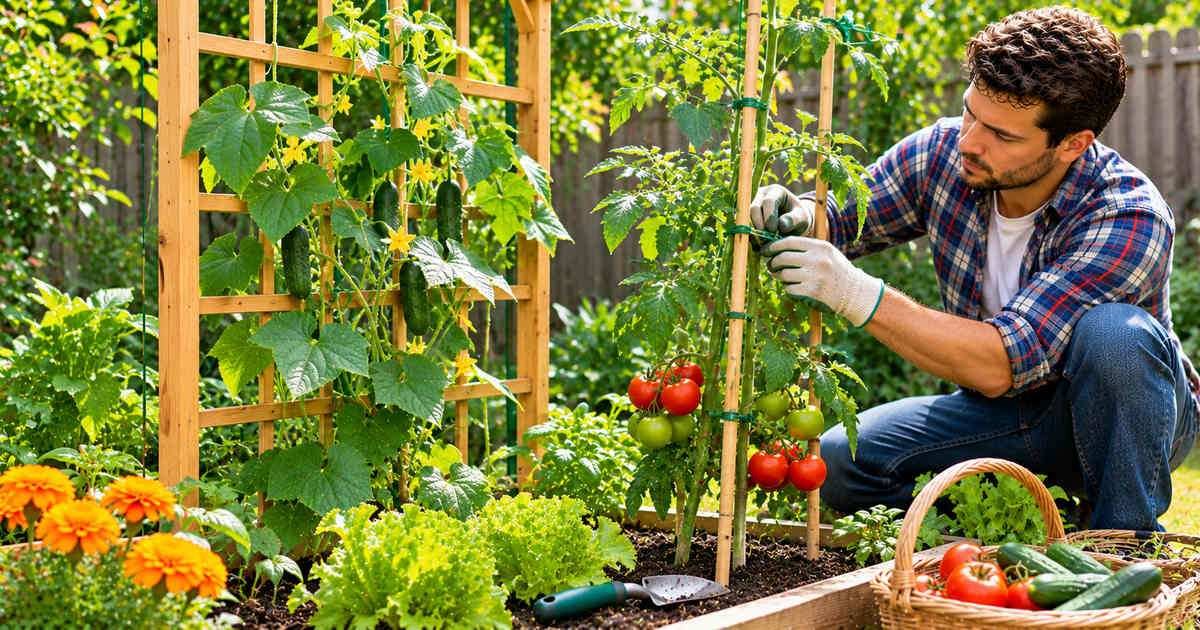
13. Support climbing and tall plants.
Use stakes, trellises, cages, or other stable supports for plants that climb or develop heavy stems and fruit. Install supports while plants are young to reduce the risk of damaging established roots.
Secure tall structures against wind and tie stems loosely with soft material so growth is not constricted.
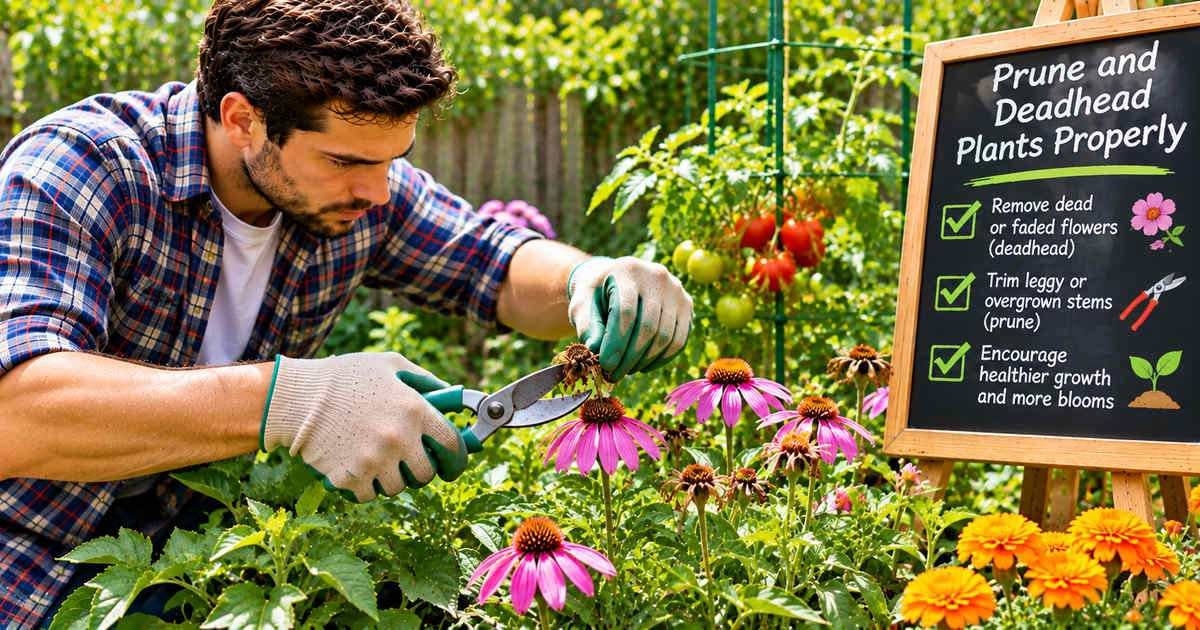
14. Prune and deadhead plants properly.
Remove dead or diseased material with clean, sharp tools. For flowering plants, removing spent blooms may encourage a tidier appearance or continued flowering, depending on the species.
Learn when each plant should be pruned: cutting at the wrong time can remove next season’s buds. Do not remove large amounts of healthy growth without a clear reason.
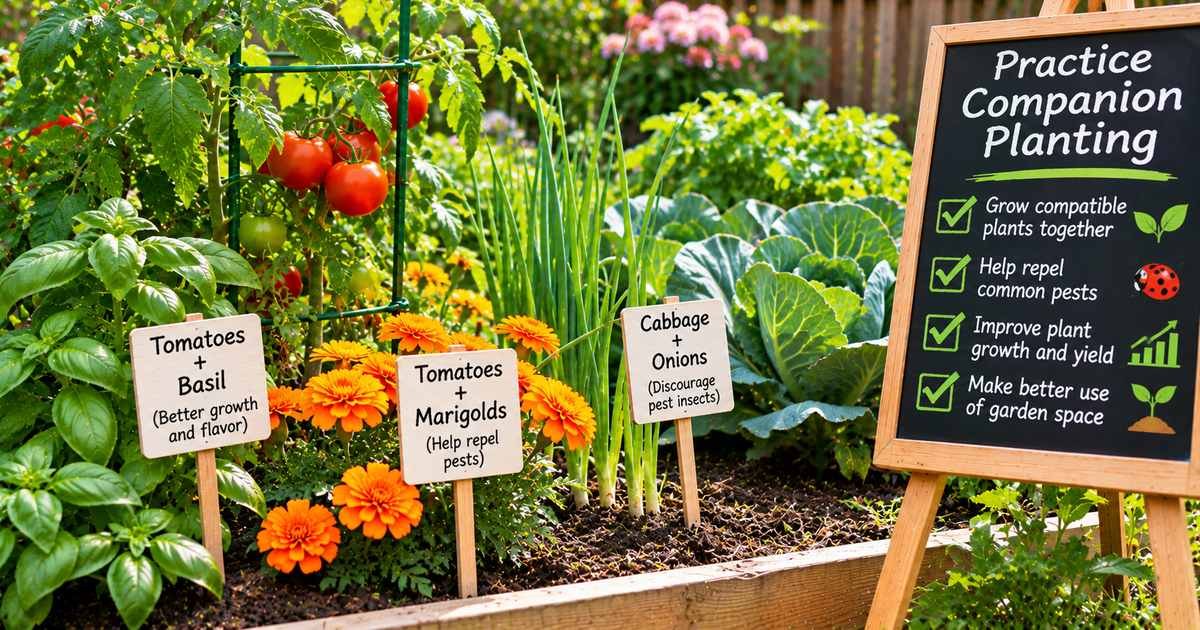
15. Practice thoughtful companion planting.
Grouping plants with compatible light, water, and space needs can make a garden easier to manage. Flowers near vegetables may attract pollinators or beneficial insects, while taller plants may offer some shelter when carefully positioned.
Treat claims that particular plant pairs automatically repel pests as possibilities rather than guarantees. Prioritize correct spacing and the needs of each individual crop.
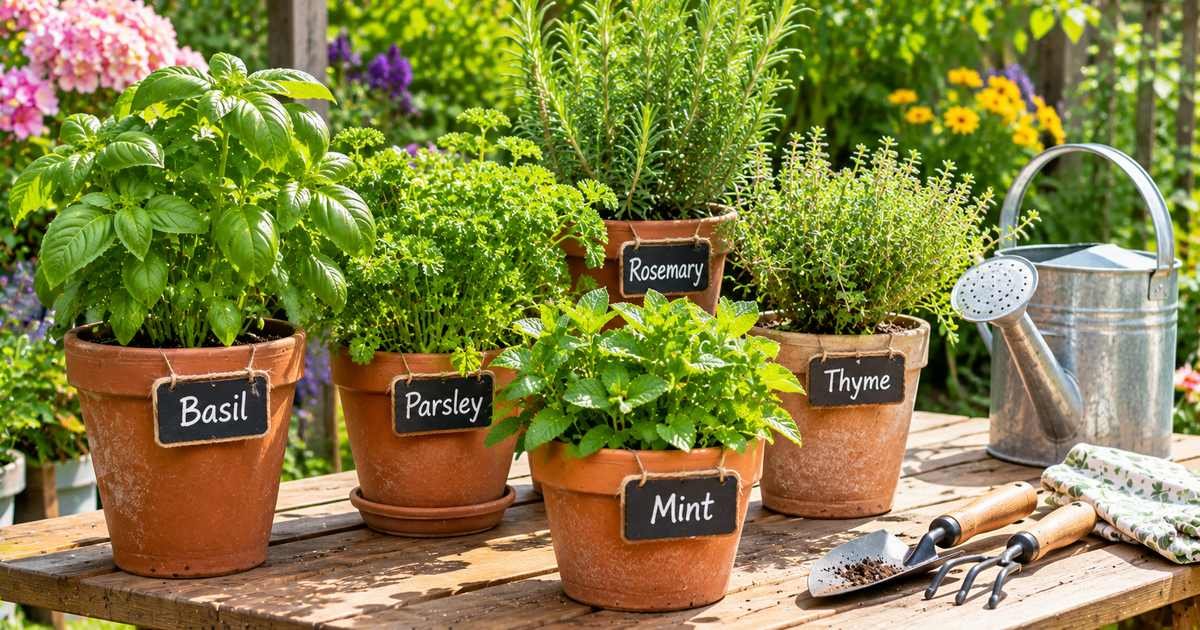
16. Grow herbs in containers.
Containers make it possible to grow herbs on patios, balconies, and sunny windowsills. Select pots with drainage holes and a suitable potting mix, then choose herbs that match the amount of available light.
Harvest gently and regularly once plants are established, leaving enough foliage for healthy regrowth.
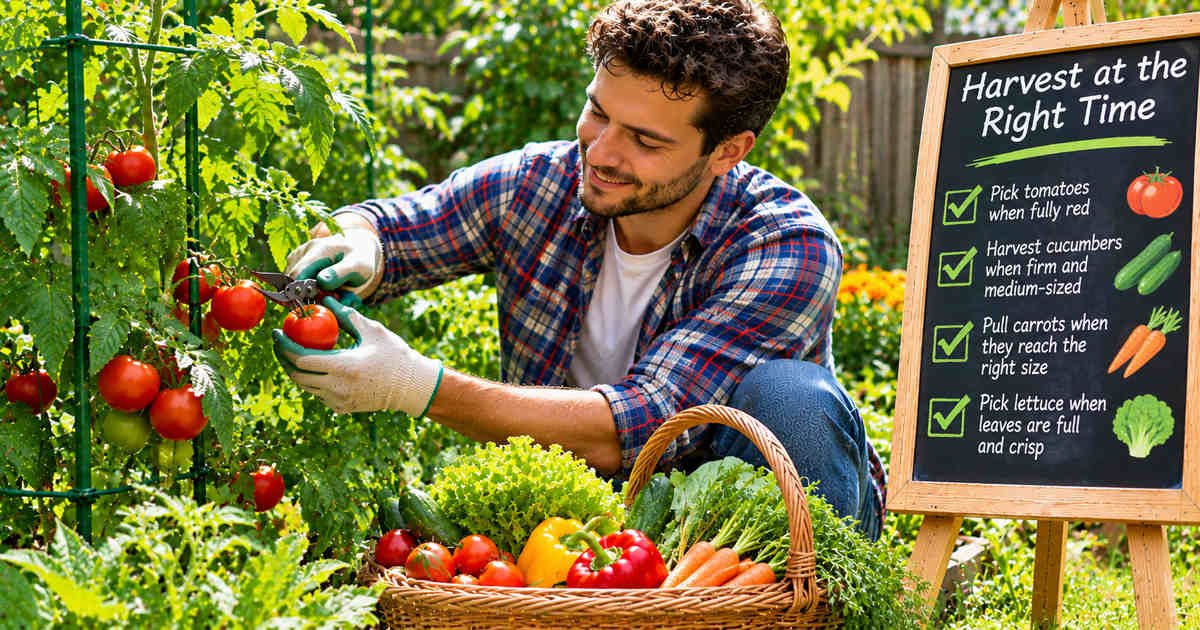
17. Harvest vegetables at the right time.
Check the expected harvest stage for each crop. Many vegetables taste and perform best when picked at the appropriate size or ripeness instead of being left on the plant indefinitely.
Use clean hands or tools, inspect produce before eating, and follow food-safety guidance when handling fresh harvests.
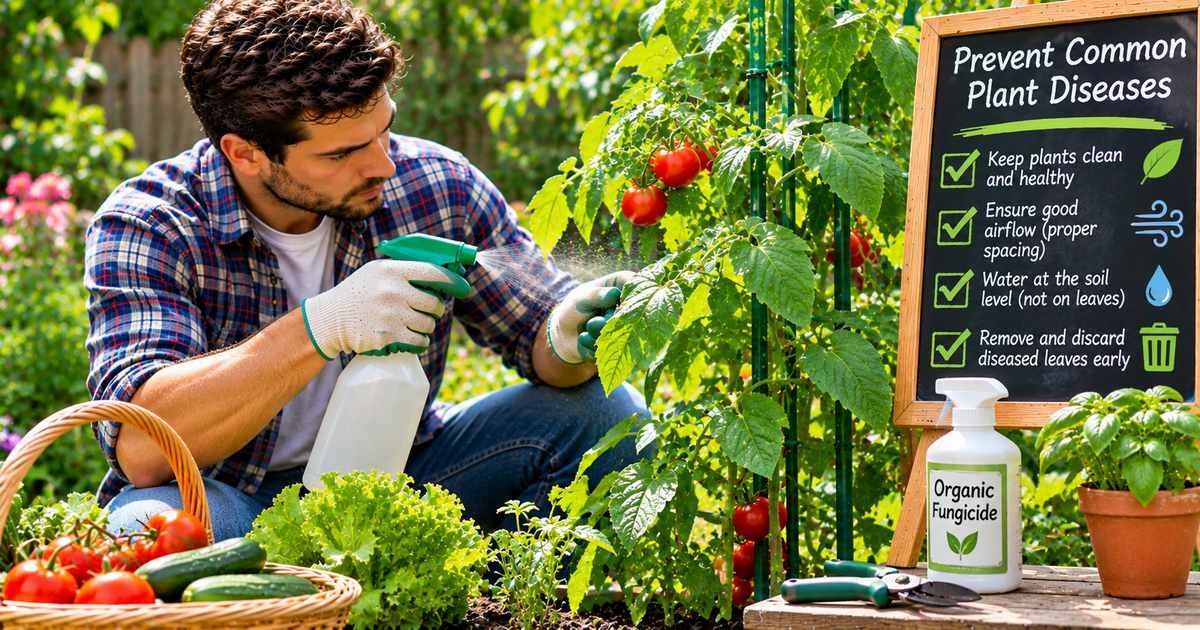
18. Prevent common plant diseases
Good spacing, suitable watering, clean tools, and routine inspection help reduce the conditions that favor many plant diseases. Remove visibly affected debris when appropriate and avoid spreading problems between plants.
Symptoms can have several causes, including pests, nutrient imbalance, and weather stress. Identify the issue before applying treatments.
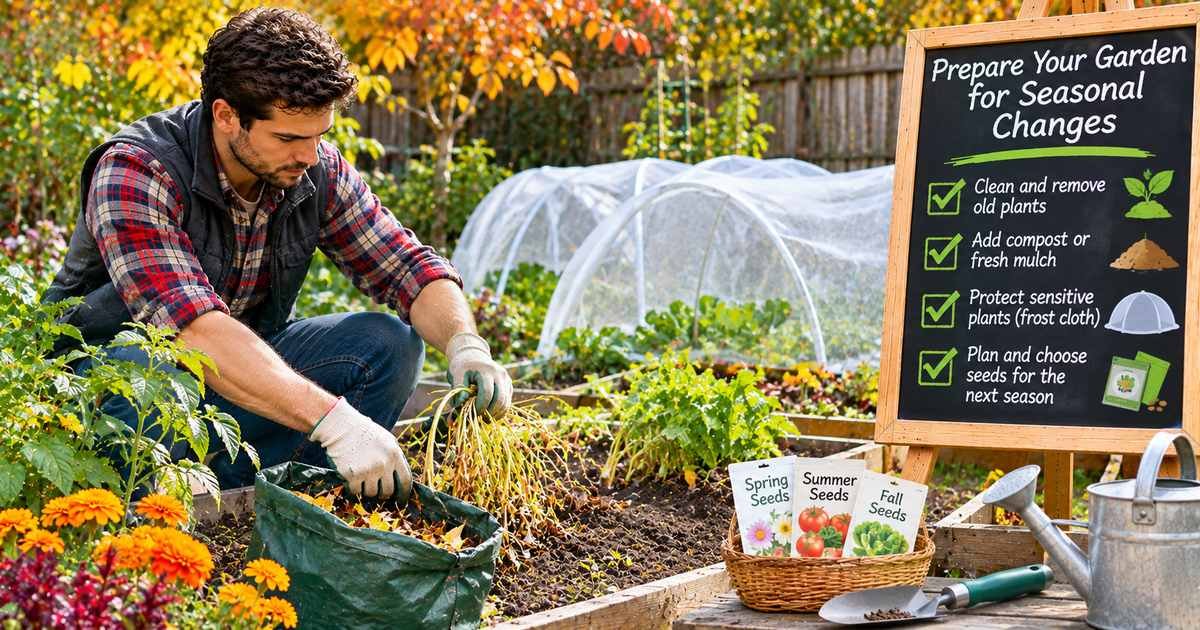
19. Prepare your garden for seasonal changes.
Adjust planting and care as temperature, daylight, and rainfall shift. Check your local frost dates and choose crops for the season rather than relying on schedules written for another climate.
Protect vulnerable plants when cold or heat is expected, clear diseased debris, and refresh mulch or soil amendments when appropriate.
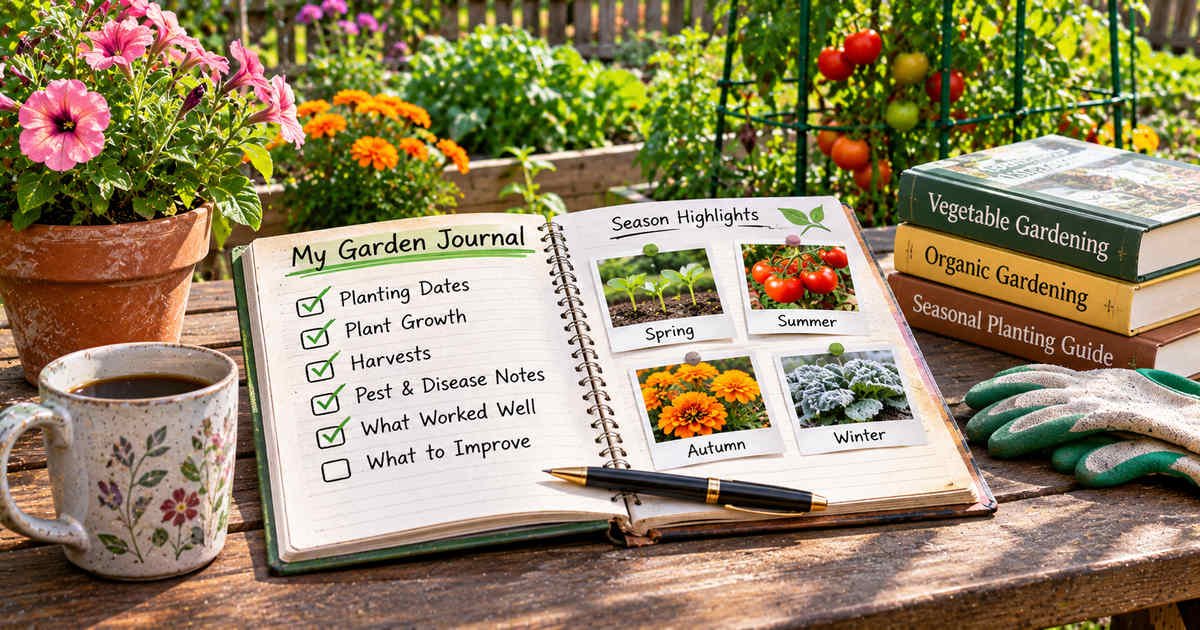
20. Keep a garden journal and learn from each season.
Record planting dates, varieties, weather, watering adjustments, pest observations, and harvest results. A few photos taken from the same spot can make changes easier to notice over time.
Review your notes at the end of each season to decide which plants thrived, which tasks were difficult, and what to change next year.
How to plan a beginner-friendly garden budget
A beautiful garden does not need to begin with expensive landscaping. Prioritize healthy soil or appropriate potting mix, a few climate-suitable plants, and a reliable way to water them. Reuse containers only when they are safe, clean, and have drainage. Compare the cost of seeds and starter plants, remembering that seeds require time and suitable germination conditions. Buying a large collection of plants before learning their needs can lead to wasted money and frustration. Start with one small bed or several pots, then expand when you know which varieties thrive in your space.
Consider maintenance time as part of the budget. A thirsty container garden in full sun may require more attention than a thoughtfully selected group of drought-tolerant plants. If you travel frequently, choose resilient species and plan how they will be watered. Check local restrictions on water use, invasive plants, and outdoor structures. Where children or pets use the garden, identify potentially toxic plants and avoid leaving sharp tools or garden chemicals within reach.
Photograph your garden once a month and note what is growing well. These observations will help you make better choices next season. Gardening is a gradual process: small, consistent improvements usually produce a more satisfying result than trying to transform the entire space in a weekend.
Common beginner gardening mistakes
Overwatering, planting in unsuitable light, overcrowding containers, and using fertilizer without checking soil conditions are common setbacks. Begin with a few resilient plants, learn their individual requirements, and make one change at a time. Choose locally appropriate species and avoid introducing invasive plants.
A simple weekly gardening routine
Check soil moisture, inspect leaves, remove weeds, and note new growth each week. Adjust care as seasons change, and keep a small record of planting dates and results. Browse our gardening and home care guides for more ideas and visit the Velora Homes blog for related topics.
Editorial note: This guide is general educational information. Follow local codes, equipment instructions, and qualified professional advice for hazardous or specialized work.
Free planning calculators
Estimate materials and quantities before you buy, with clear assumptions you can adjust.
 Room Area Calculator
 Fertilizer Calculator
 All calculators
Was this article helpful?
Not rated yet