
Home Care, Gardening & DIY Guides
Learn simple home maintenance, plant care, and DIY planning essentials with practical guides for everyday living.

 Home care essentialsCleaning, maintenance, moisture control, and organization
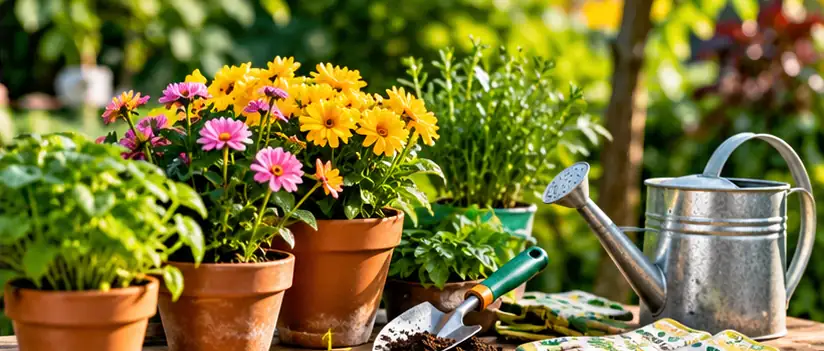 Gardening basicsSunlight, soil, watering, and seasonal plant care
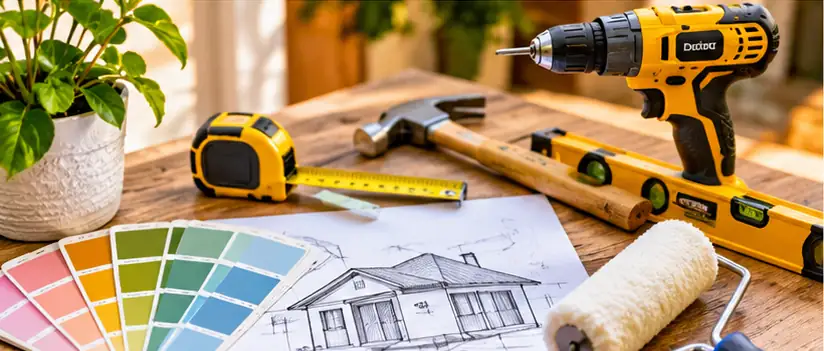 DIY project planningMeasurements, budgets, materials, and safe decisions
GUIDE 01
Build a home maintenance routine
A good home maintenance routine begins with observation. Walk through each room and note small problems before they become expensive repairs: dripping taps, persistent moisture, loose handles, damaged seals, and blocked ventilation. Create a short checklist divided into daily, weekly, monthly, and seasonal tasks. Daily work might include clearing spills and returning items to their places. Weekly work can cover floors, frequently touched surfaces, and basic bathroom care. Monthly checks may include looking for leaks under sinks and inspecting accessible seals. Always follow manufacturer instructions, and leave electrical, gas, structural, or other hazardous work to qualified professionals. For related ideas, browse our home care and DIY blog.
GUIDE 02
Clean surfaces safely and effectively
Cleaning products should be chosen for the material being cleaned, not simply for their popularity. Wood, stone, metal, tile, laminate, upholstery, and painted surfaces may react differently to moisture or chemicals. Before trying a method, read the care guidance and test it in a hidden area. Remove loose dirt first so that scrubbing does not grind particles into the finish. Use suitable cloths and avoid soaking moisture-sensitive materials. Never mix bleach with ammonia, acids, or other cleaning chemicals. Open windows or use appropriate ventilation when product instructions call for it. A manageable schedule is more useful than a complicated routine that cannot be maintained. Our homepage highlights the broader home-care topics we cover.
GUIDE 03
Prevent moisture and ventilation problems
Moisture deserves special attention because it can affect finishes, furnishings, and indoor comfort. Watch for condensation on windows, damp patches, musty odors, or water collecting around fixtures. Use exhaust ventilation when cooking or bathing where available, and repair leaks promptly. Keep furniture arranged so air can circulate where condensation is a concern. A recurring stain may signal a deeper problem that cleaning alone cannot solve. Do not paint over persistent dampness without investigating the source. If there is extensive water damage, suspected mold contamination, or a hidden leak, consult a suitable professional. Preventive checks can save time and help protect materials over the long term.
GUIDE 04
Organize rooms around how you live
Effective organization starts with a simple question: which items do you use most often, and where do you need them? Store everyday objects close to their point of use and keep less frequently used supplies in labeled areas. Begin with one drawer or shelf rather than emptying the entire room. Sort items into groups, discard or donate what is no longer useful, and measure storage spaces before purchasing containers. Avoid blocking exits, vents, electrical panels, or access to important equipment. A system that is easy for everyone in the household to follow is usually better than one that looks impressive but takes too much effort to maintain. Read more everyday ideas on the blog.
GUIDE 05
Start a garden by understanding your space
Before purchasing seeds or plants, observe your growing area for several days. Record direct sunlight, shade, wind exposure, and the amount of room available for mature plants. A balcony may offer strong sun but limited soil volume; a shaded yard may need plants adapted to lower light. Choose containers with suitable drainage and use growing media appropriate to the plants. Start with a small selection so you can learn their needs without becoming overwhelmed. Local climate, seasonal temperatures, and water availability will influence what grows successfully. Check local guidance when choosing edible plants or dealing with pests. Gardening improves with patient observation rather than a one-size-fits-all formula.
GUIDE 06
Watering, soil, and plant health basics
Healthy plants need an appropriate balance of water, air, light, nutrients, and growing space. Watering should respond to soil conditions and plant needs rather than an inflexible calendar. Check moisture below the surface before adding water, especially in containers. Poor drainage can leave roots without enough air, while very dry growing media may need careful rehydration. Different species prefer different conditions, so read reliable care information for each plant. Avoid adding fertilizer simply because a leaf looks unhealthy: pests, temperature, light, and watering can produce similar symptoms. Keep a simple notebook of watering, growth, and changes to help identify patterns. Explore more topics in our gardening and home blog.
GUIDE 07
Plan for seasonal garden changes
Gardens change as temperatures, daylight, and rainfall shift. Review planting choices before each growing season, and consider whether containers need protection from heat, cold, or strong wind. Remove weeds early and inspect foliage regularly so problems are noticed sooner. Mulch may help conserve moisture and moderate soil temperature, but it should be applied appropriately and kept away from plant stems when recommended. Clean tools and store them safely between uses. If growing vegetables or herbs, use trustworthy local planting calendars rather than assuming that advice from another climate applies to your location. A seasonal plan can help you buy only the materials you need.
GUIDE 08
Measure carefully before DIY projects
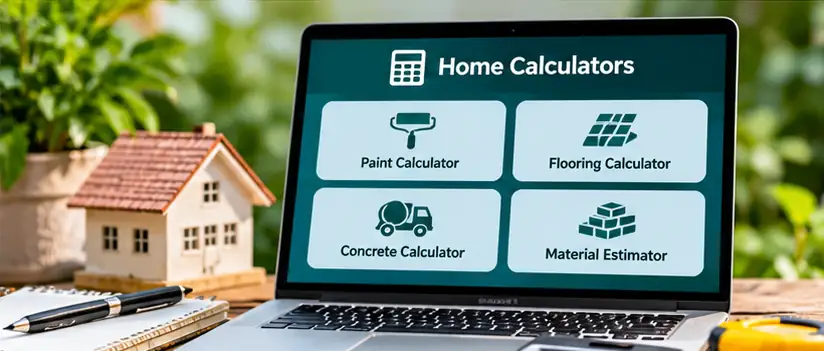
Measurements are the foundation of sensible project planning. Sketch the area, record dimensions in consistent units, and identify doors, windows, corners, and other features that may affect quantities. Check measurements twice before buying materials. For painting, surface condition and the number of coats influence coverage. For flooring, cutting patterns and irregular spaces affect waste. For garden beds or paving, depth matters as well as length and width. Calculators can make estimates easier, but results depend on the assumptions and measurements supplied. Visit our construction calculators page to learn how planning tools fit into the process.
GUIDE 09
Budget for materials and unexpected costs
A practical budget includes more than the headline price of a product. Account for preparation supplies, fixings, delivery, tool rental, protective equipment, waste disposal, and any professional work required. Compare materials by suitability, durability, and ongoing maintenance needs. Keep a written list of quantities and prices so changes are easy to track. A contingency allowance can be useful when working with older surfaces or uncertain conditions, but the amount depends on the project. If your plans affect structure, electricity, gas, or major plumbing, obtain appropriate professional advice and follow local codes. Our calculators hub introduces measurement-based planning resources.
GUIDE 10
Choose safe and realistic DIY tasks
Not every project is appropriate for a beginner. Decorative organization, simple planting, and basic maintenance may be approachable with clear instructions, while structural alterations and work on hazardous systems require trained specialists. Before starting, identify the tools needed, read safety instructions, and consider who else may be affected by dust, noise, or temporary disruption. Use personal protective equipment suited to the task and keep children and pets away from work areas when necessary. Stop if conditions differ from the instructions or if you discover damage that you cannot assess safely. Good planning includes knowing when not to proceed without professional help.
GUIDE 11
How to use Velora Homes guides
These guides provide starting points for understanding home-care, gardening, and DIY decisions. They are educational summaries, not property-specific inspections, product endorsements, or substitutes for professional advice. Use them to identify questions, create checklists, and compare options. Read the home maintenance checklist for a ready-made routine, follow the blog for broader reading, explore calculators, such as the Room Area Calculator, when measurements are part of a project, and return to the Velora Homes homepage to navigate the main topics. We intend to expand this library with individual step-by-step tutorials and more detailed explanations. For information about the publication, visit About Velora Homes.
Latest from the blog
Practical home care and gardening articles you can put into practice this week.
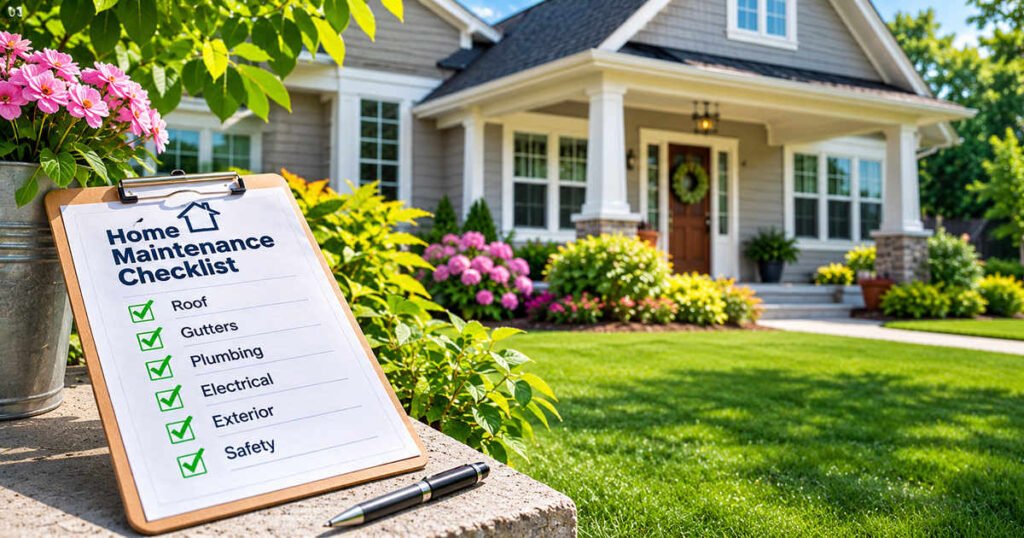 The Complete Home Maintenance ChecklistA 20-task routine covering filters, gutters, alarms, plumbing, drainage and seasonal upkeep.
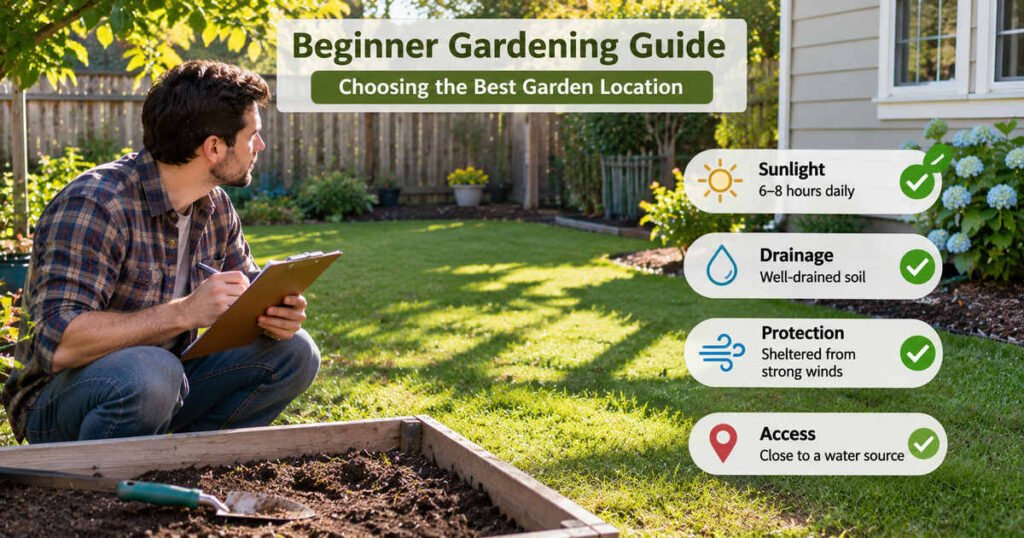 Beginner Gardening Guide: 20 Practical TipsHealthy soil, watering, seeds, containers, compost and pruning for a beautiful home garden.
 Browse all articlesHome care, gardening and DIY planning stories in one place.
Free planning calculators
Estimate materials and quantities before you buy, with clear assumptions you can adjust.
 Room Area Calculator
 Fertilizer Calculator
 All calculators
Continue exploring Velora Homes
Find new home and garden ideas, understand the role of estimates, and discover the purpose behind our practical resources.